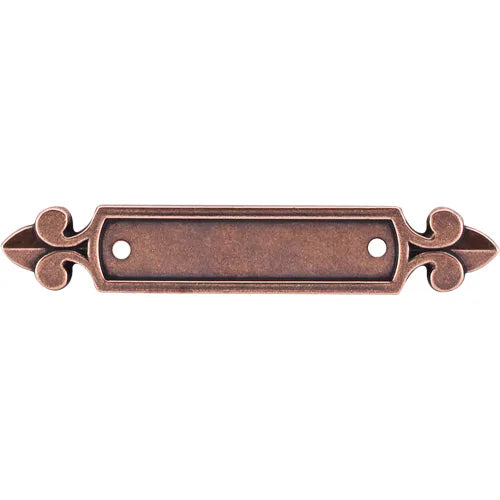
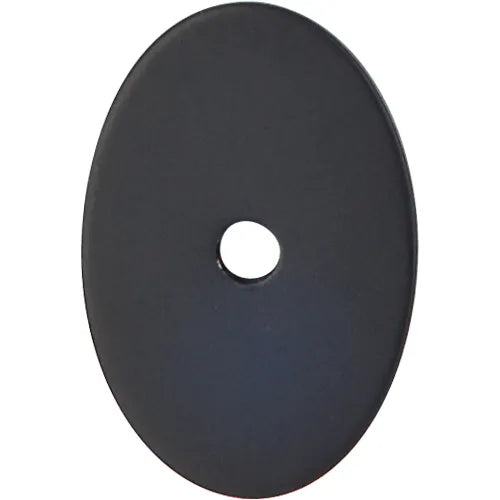
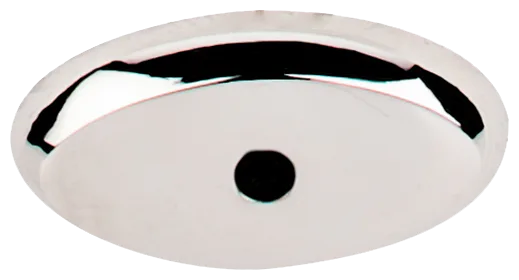
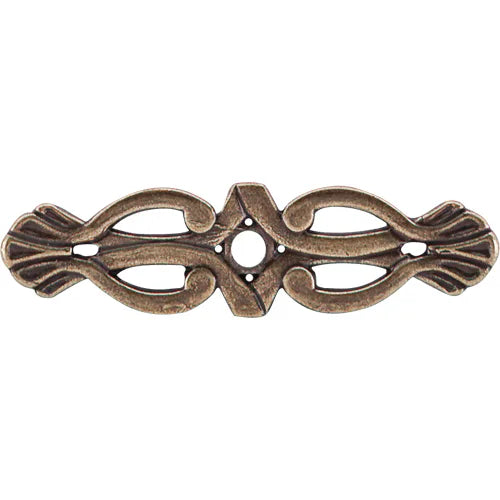
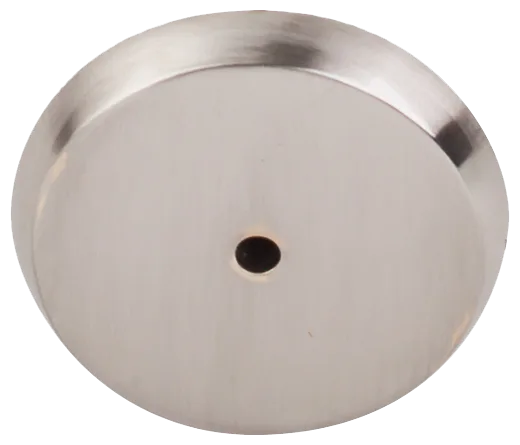
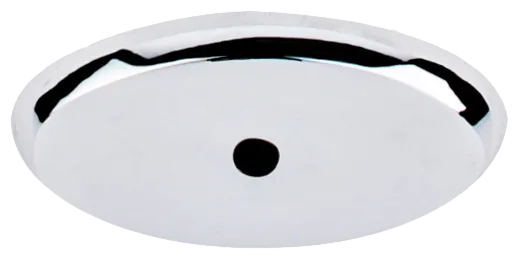
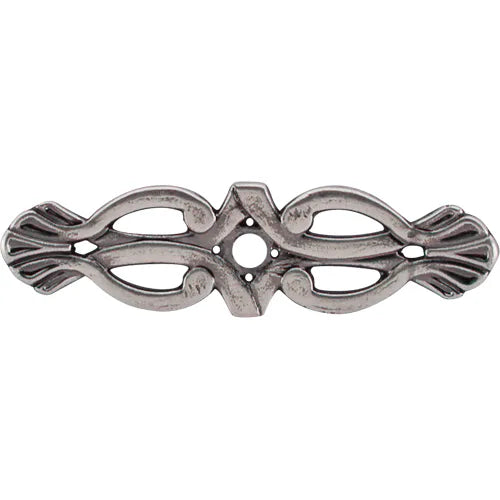
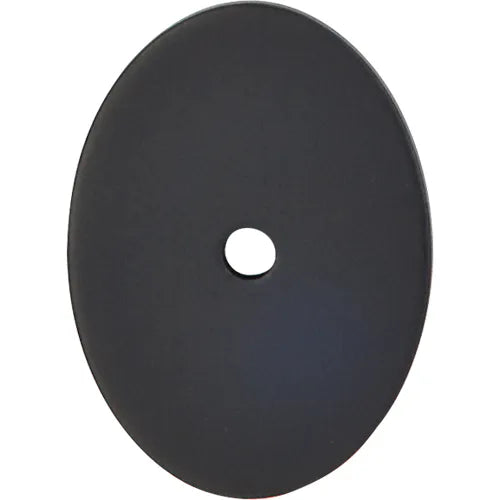

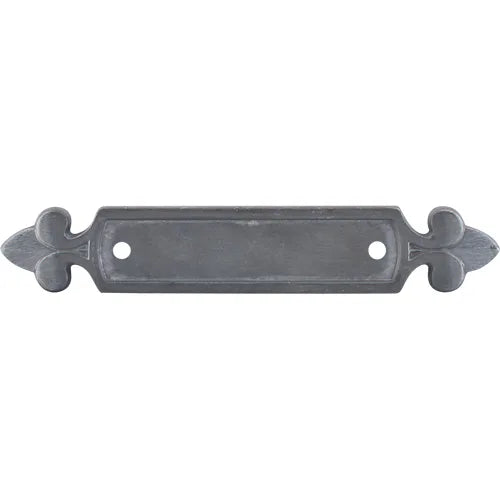
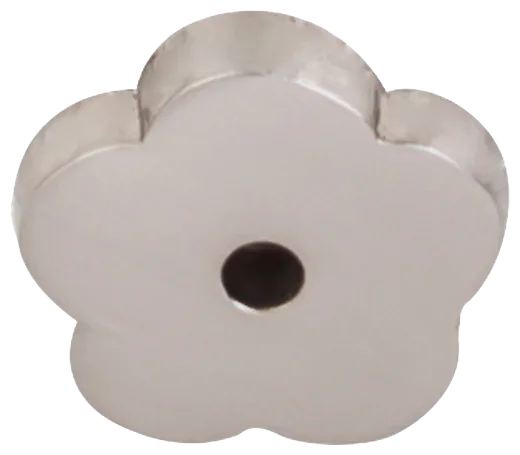
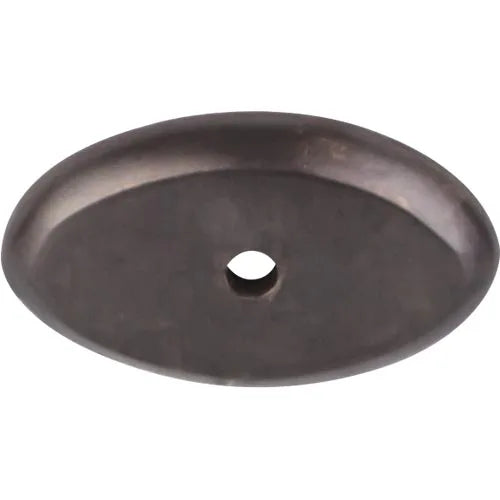
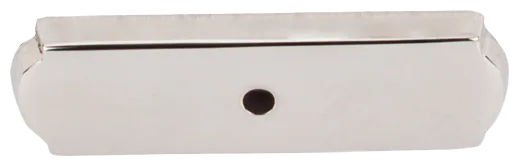
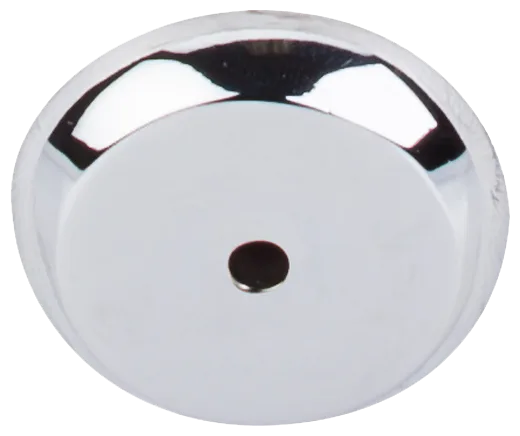
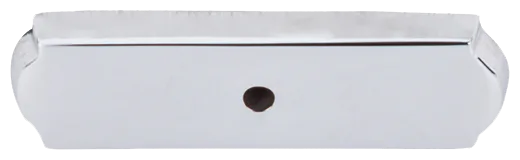
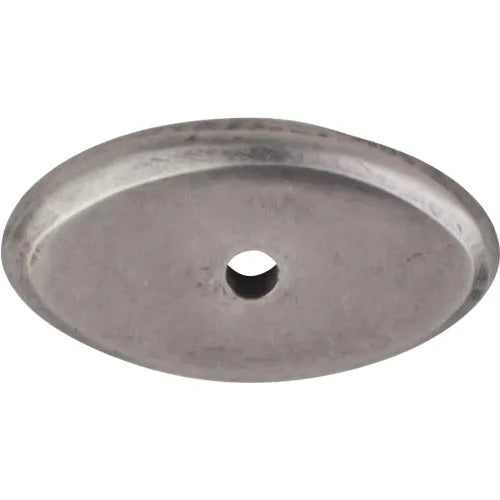
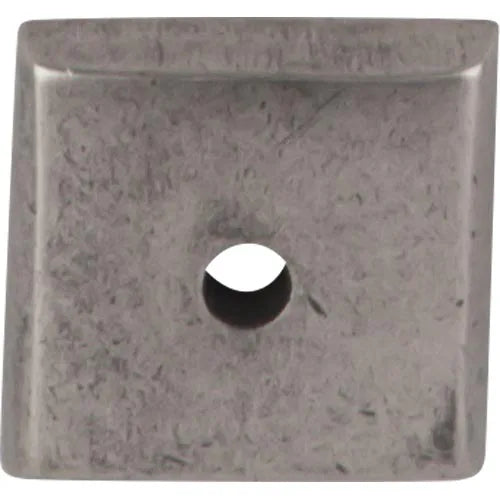
Cabinet backplates do two jobs at once. They cover existing hole patterns when you're swapping hardware in an older kitchen, and they give a knob or pull more visual presence on a cabinet face. Either way, they're one of the highest-leverage small upgrades in a kitchen.
When a cabinet backplate is mandatory
Two situations. First: you're retrofitting hardware on an older kitchen where existing holes don't match modern center-to-center sizes. A backplate covers the original holes and creates a new mounting point. Without it, you're patching and refinishing cabinet fronts. Second: you're swapping from pulls to knobs. A pull leaves two holes; a knob has one. The backplate covers the unused hole and gives the new knob a substantial visual base.
When a cabinet backplate is a design choice
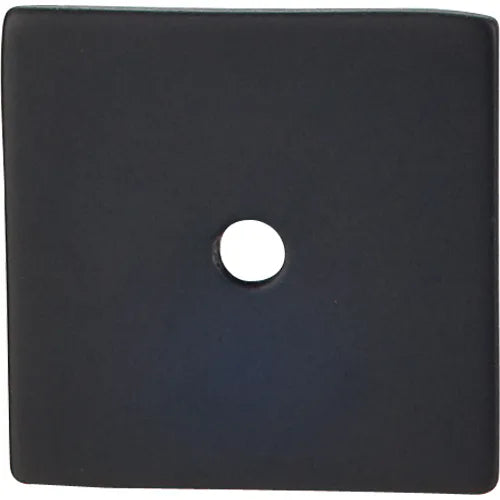
A backplate behind a knob makes the knob feel intentional and weighty, even when it's not strictly needed. In traditional kitchens with painted shaker doors, backplates add detail and craftsmanship — the equivalent of trim on the cabinet face. In contemporary kitchens, an unornamented rectangular backplate behind a flat-disc knob reads architectural in a way the knob alone doesn't.
Cup pulls almost always read better with backplates. The cup shape benefits from the visual platform a backplate provides; without it, the pull can look unmoored on a wide drawer face.
Choosing the right cabinet backplate
Match the backplate finish to the knob or pull, always. Mismatched finishes look like a mistake even if it's deliberate.
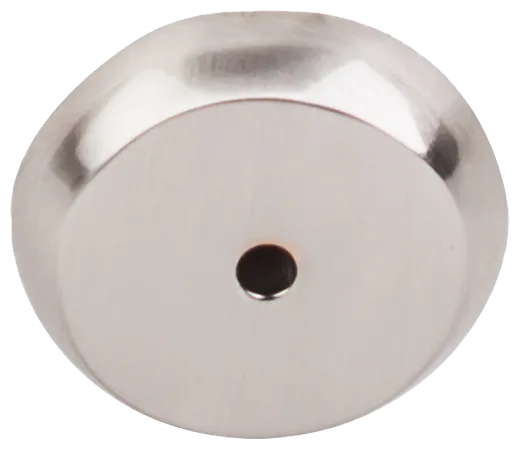
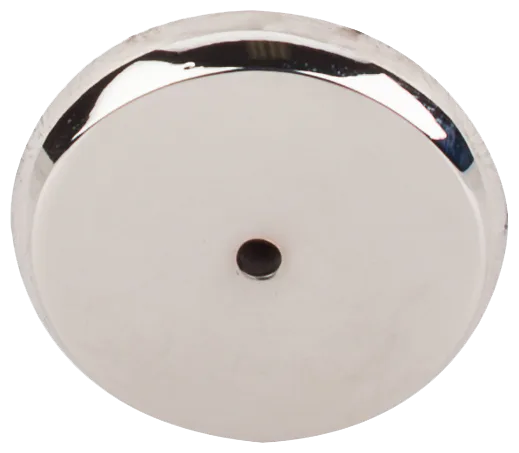
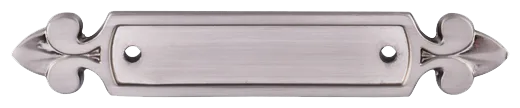
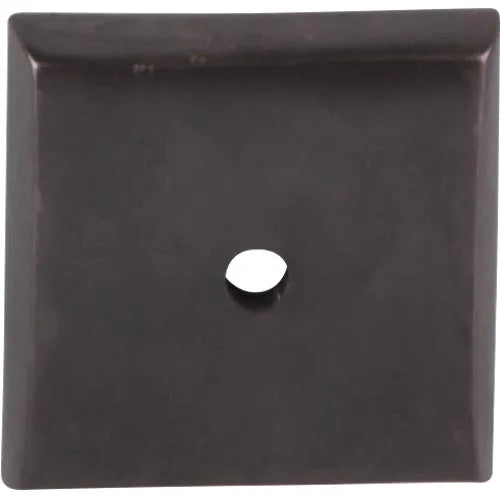
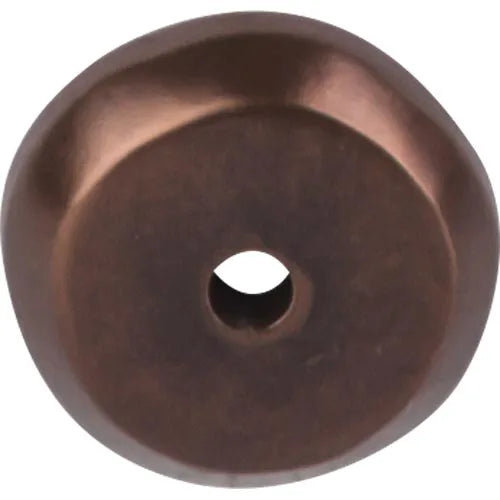
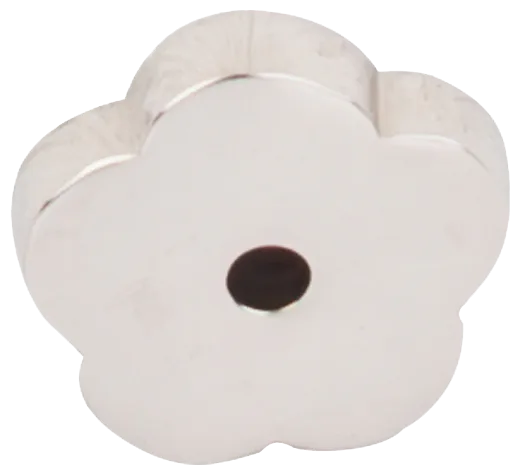
For shape, follow the cabinet. Rectangular backplates work on shaker and slab doors; rounded or arched backplates suit traditional raised-panel cabinetry; ornate plates with corner detailing belong on Victorian or Italianate kitchens. Most of our customers default to clean rectangular backplates in the same finish as their cabinet knobs.
Order a knob and its corresponding backplate as part of your sample order. Backplates change a knob's perceived weight more than people expect — and once you've held both versions in hand, the right answer is usually obvious.