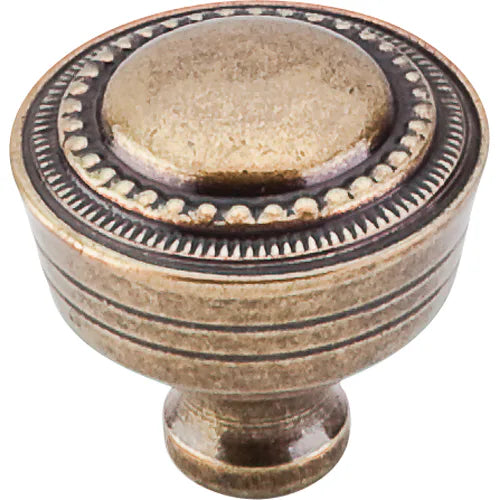
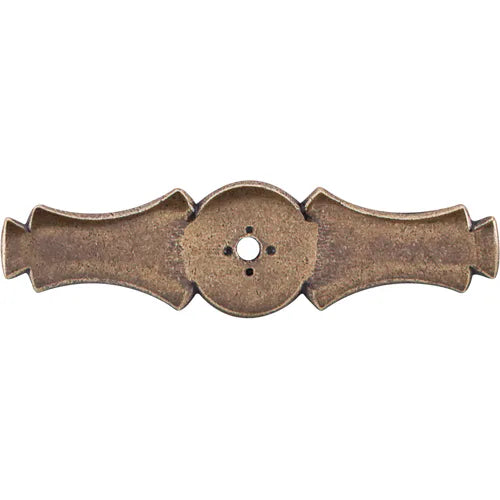
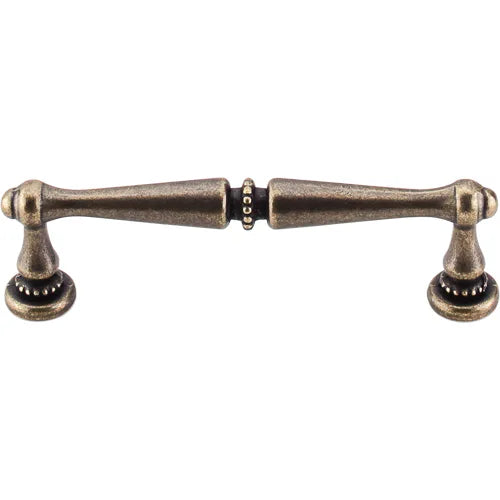
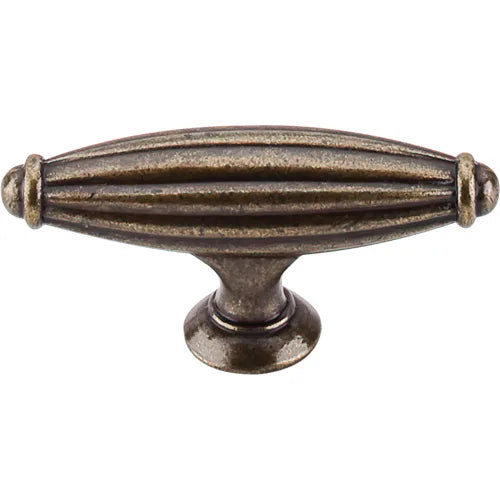
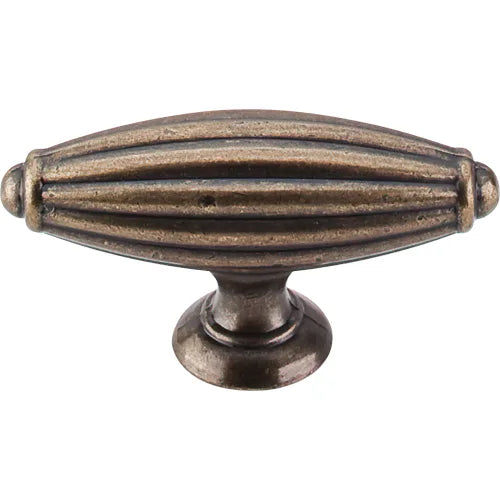
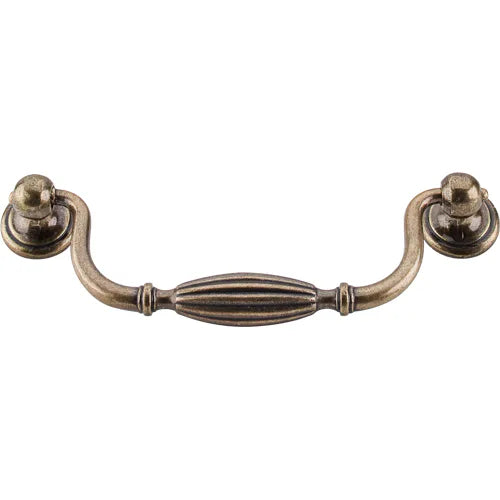
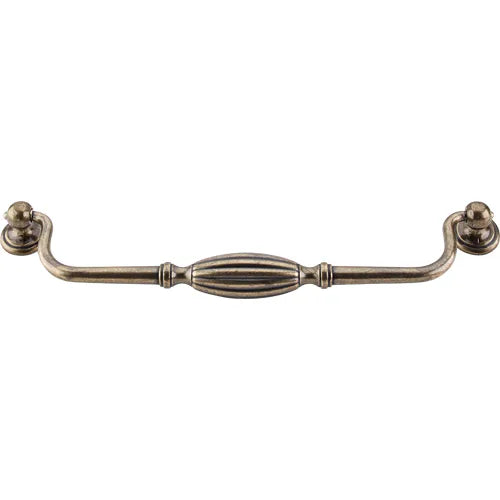
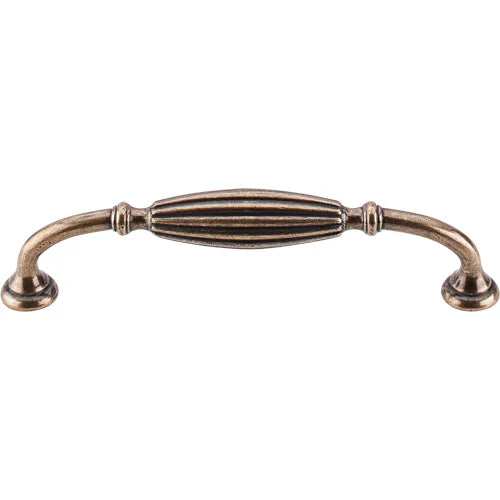
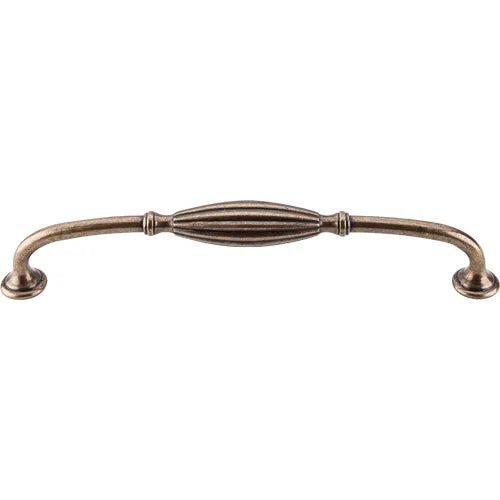
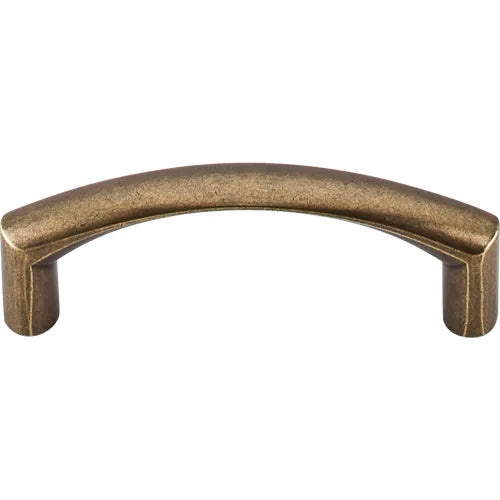
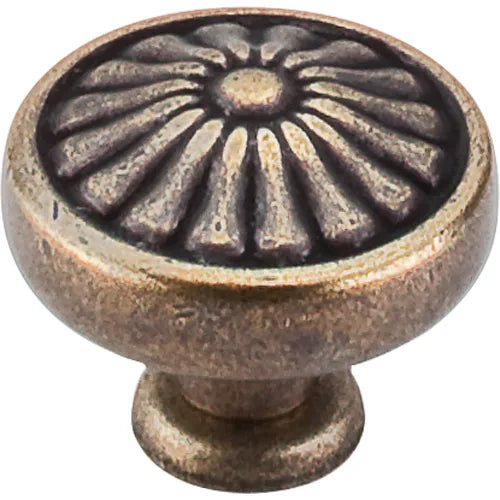
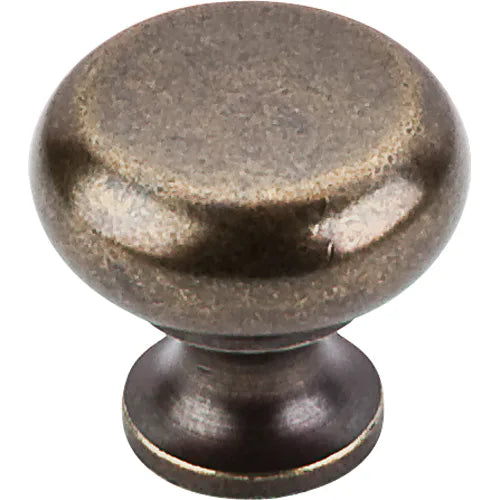
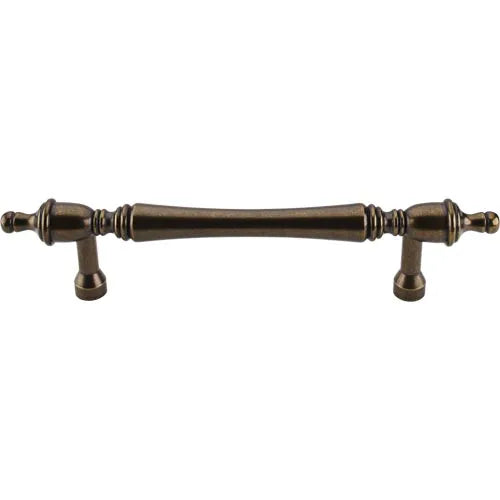
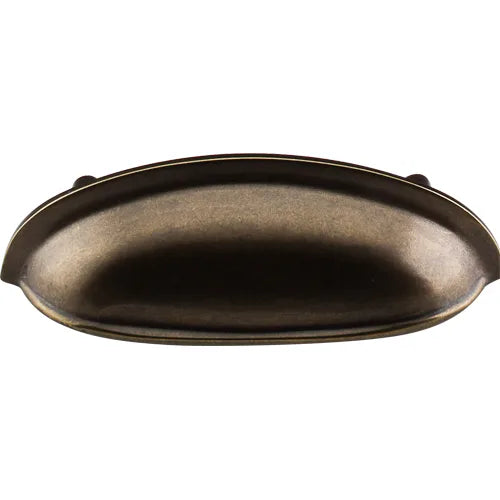
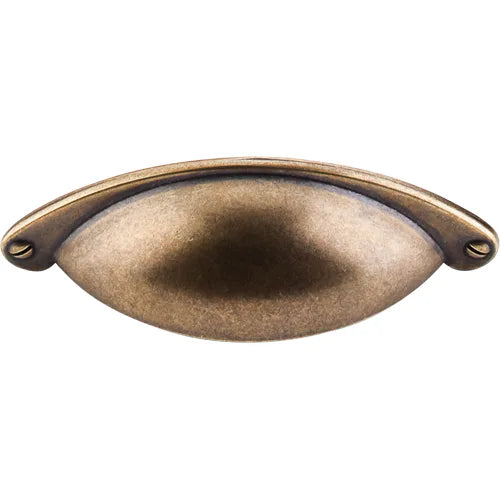
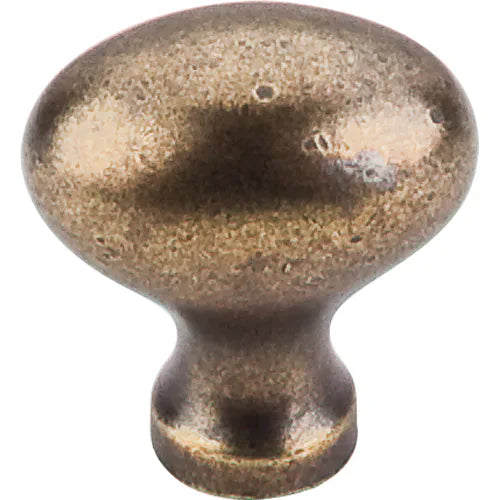
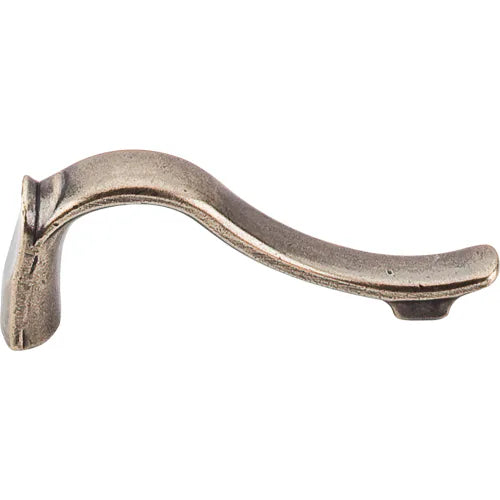
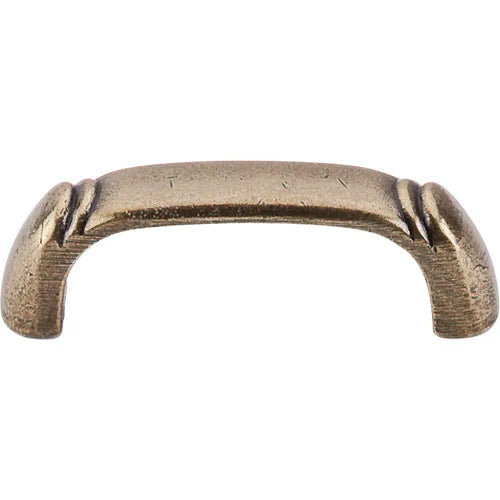
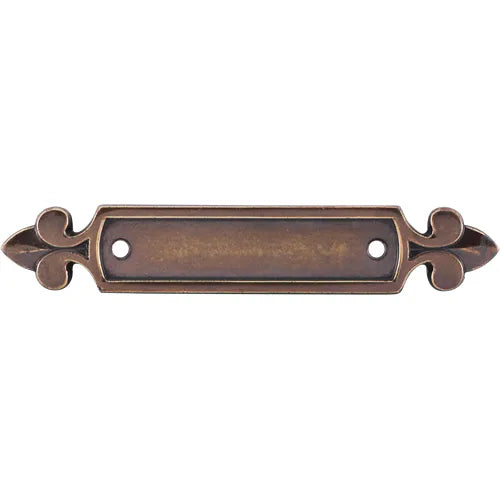
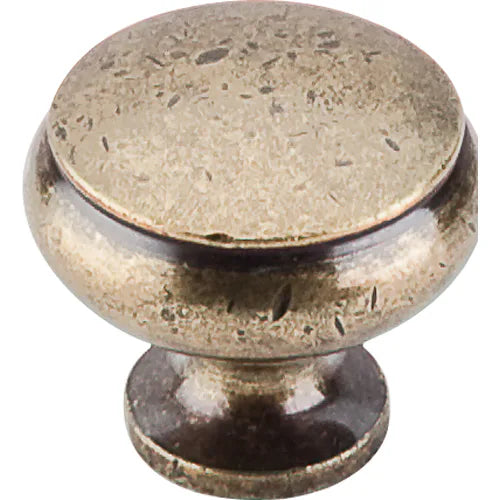
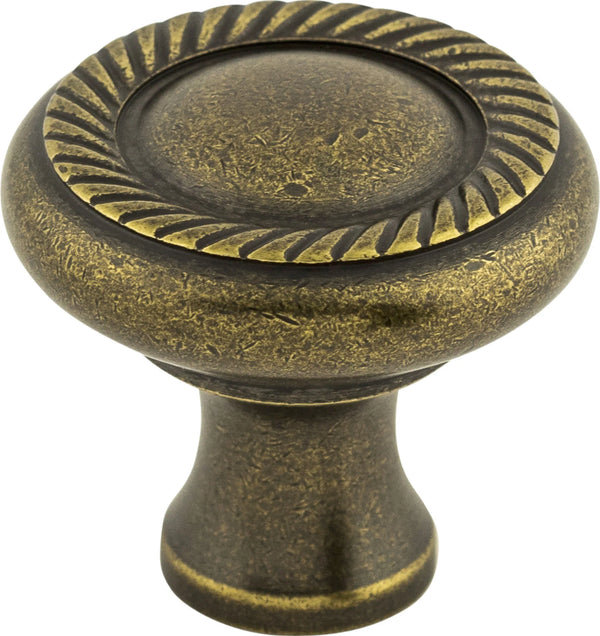
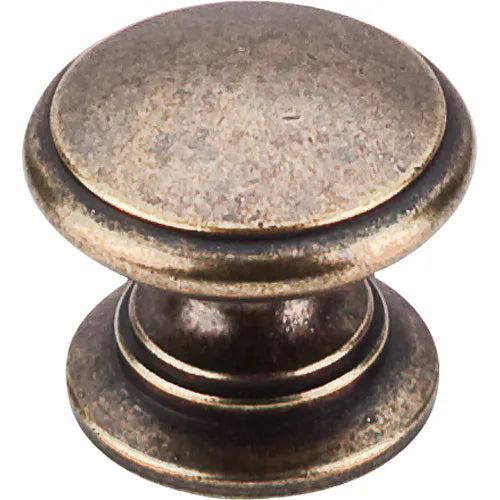
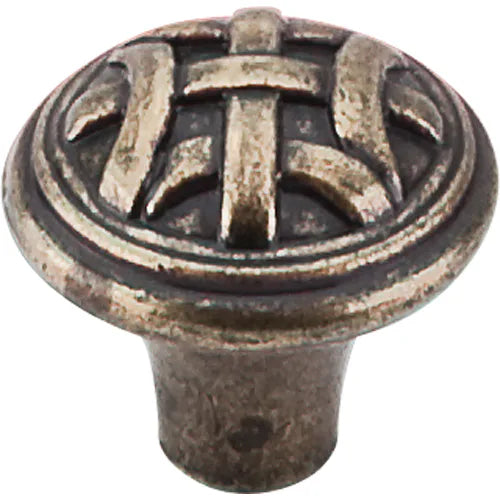
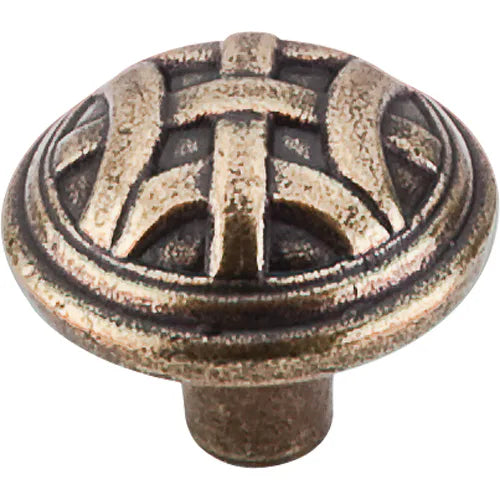
German Bronze is the deeper, richer end of the warm-metal spectrum — darker than honey bronze, more refined than oil-rubbed, with the kind of complexity that hand-finishing produces and machine work doesn't.
The character of German Bronze
The base tone is a deep warm brown with red undertones. Hand-applied highlights along the high points of each piece give the finish dimension that flattens out in photographs and shows up in person. The surface is satin matte with subtle variation across the run — no two pieces are identical, which is part of what you're paying for.
Where Honey Bronze flatters warm-toned kitchens with friendly brightness, German Bronze brings gravity. It's the finish that makes a kitchen feel like it's been there for a while, in the best way.
German Bronze in the right kitchen
Heavy traditional or refined-traditional kitchens. Warm-stained walnut and cherry. Soapstone and travertine counters. Plaster walls. Spaces that draw on European farmhouse cues without slipping into rustic.
For a similar warm-traditional read with more crispness, look at Oil Rubbed Bronze. For the warm side of things in a more contemporary palette, Honey Bronze is the move.
How German Bronze develops
This is a finish that improves with age. The hand-applied highlights catch micro-wear at high-touch points — drawer pulls, the front edge of cabinet doors — and the result reads as patina rather than damage. Ten years in, German Bronze hardware looks lived-in in the same way a cast-iron pan does.
Order samples in German Bronze alongside one or two of its warm-metal cousins. The differences across bronzes are subtle online and unmistakable in hand.