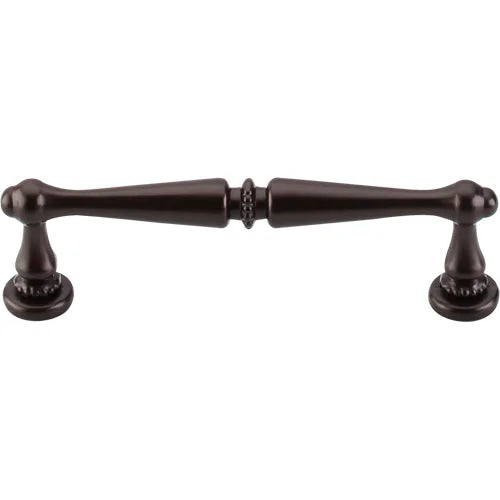
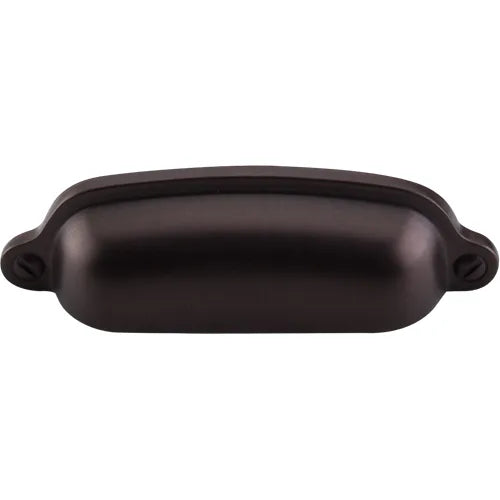


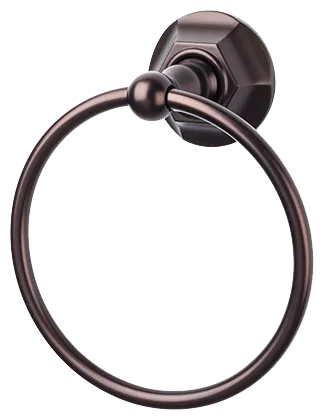
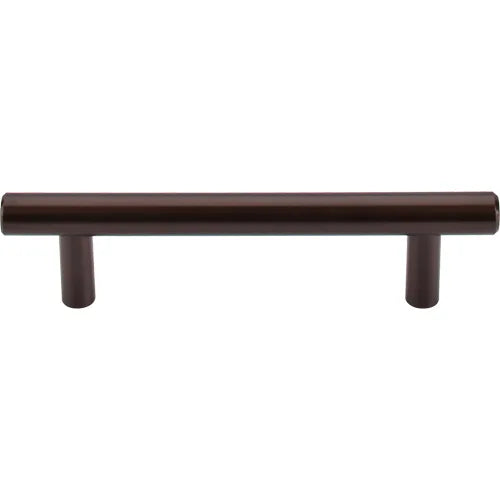
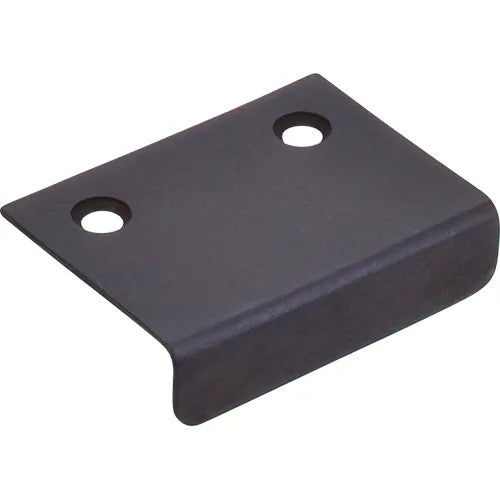


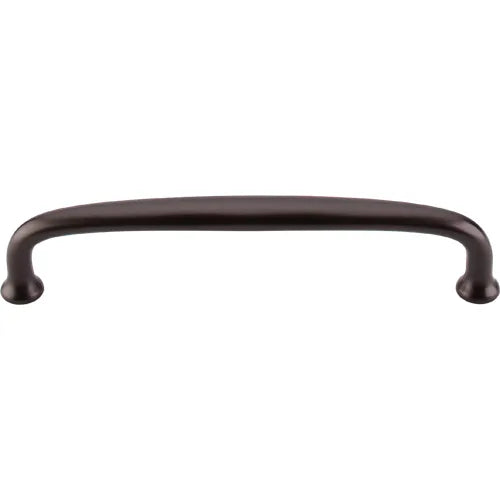
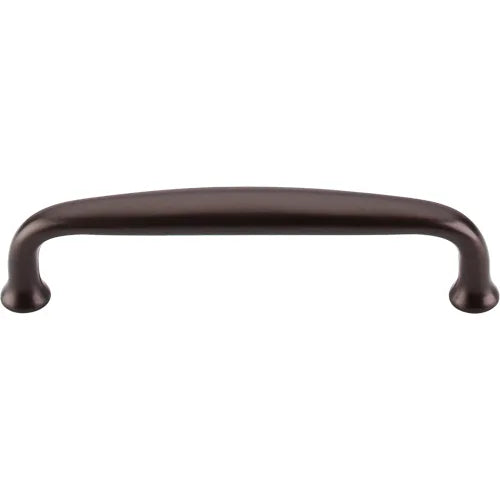
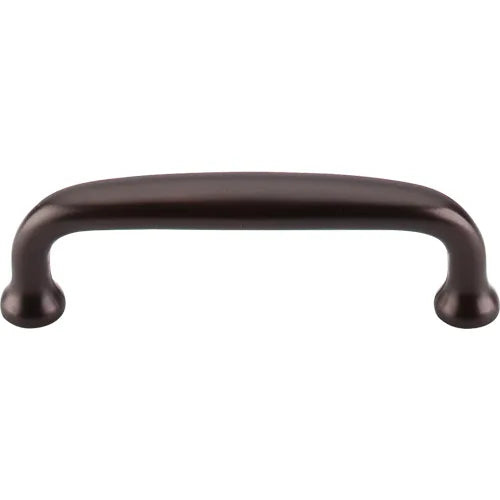
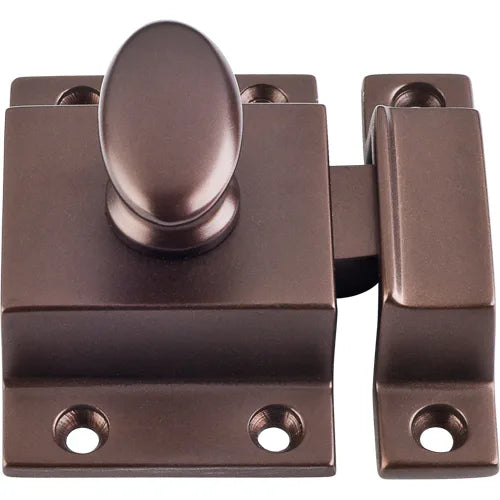
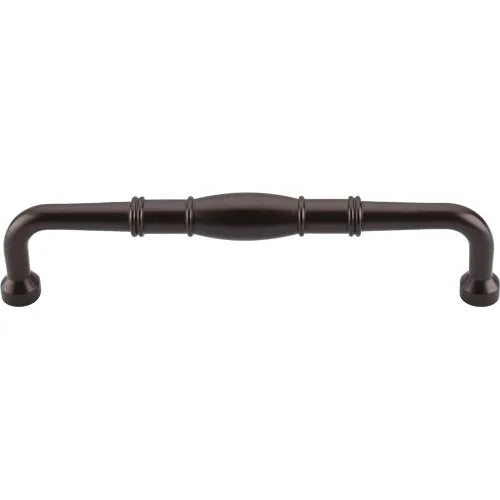
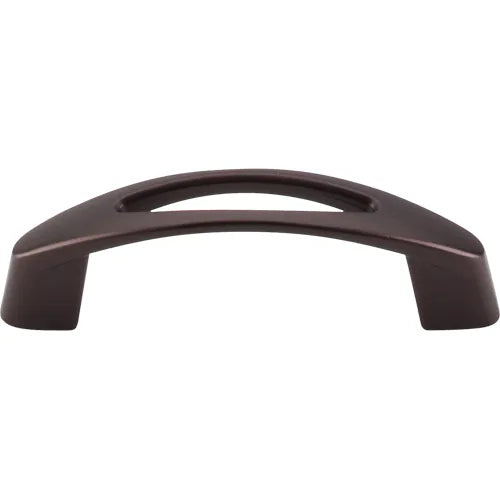
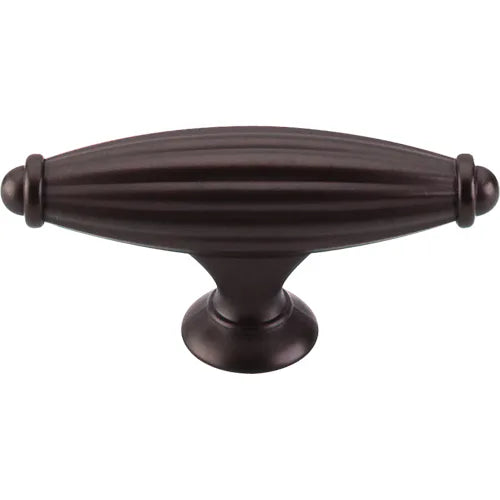
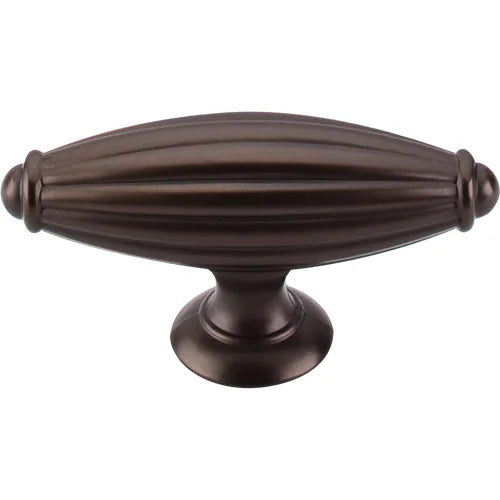
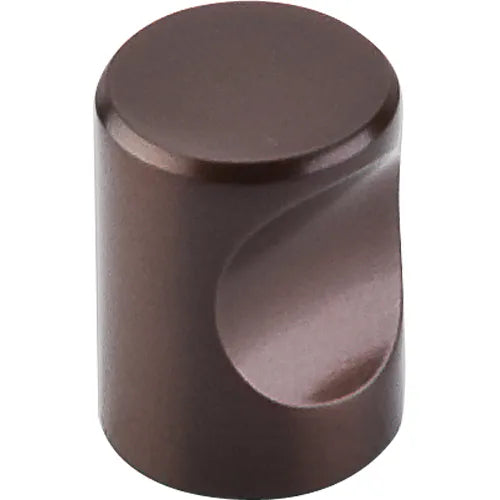
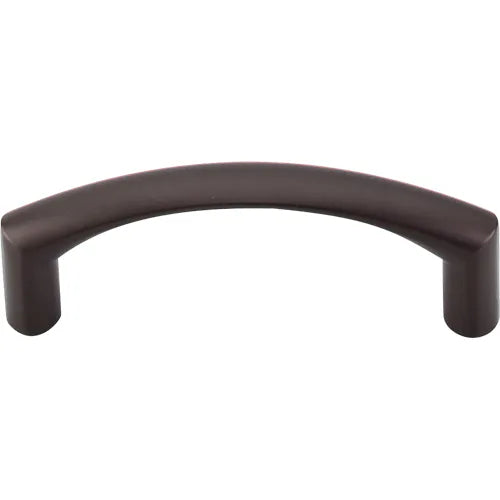
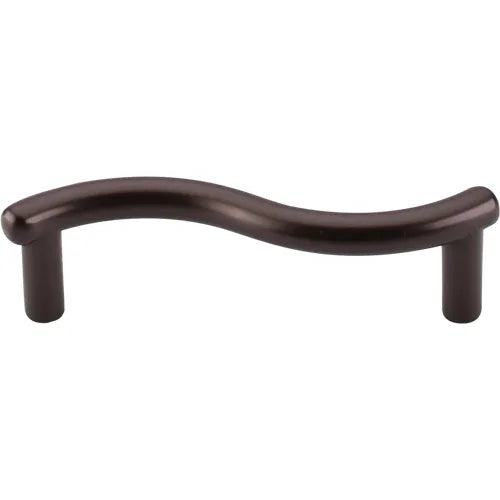
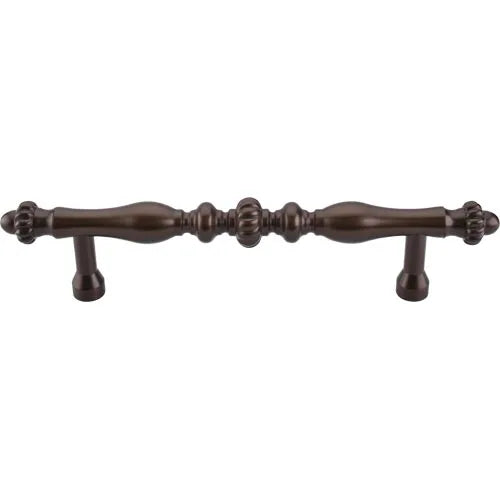
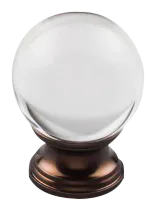


Oil Rubbed Bronze is the heritage warm-metal finish — darker than honey bronze, richer than aged pewter, with the kind of hand-rubbed character that has carried traditional kitchens for a hundred years.
The look of Oil Rubbed Bronze
The base color is a deep brown-black that picks up warm copper tones at the high points of each piece. Hand-rubbing during finishing creates subtle variation across the run; no two pulls are identical, which is part of the appeal. In low light Oil Rubbed Bronze reads almost black; under direct light, the warmth surfaces.
It's the finish that adds gravity to a kitchen — the visual equivalent of a heavy stone counter or a real plaster wall.
The kitchens Oil Rubbed Bronze belongs in
Traditional and traditional-leaning kitchens. Warm-stained walnut, cherry, knotty alder. Soapstone, travertine, honed limestone. Tudor and Mediterranean-style homes. Wine cellars and butler's pantries. Anywhere the goal is a kitchen that looks like it's been there for fifty years even when it just got installed.
Where Oil Rubbed Bronze struggles is in light, contemporary spaces. The depth that anchors a heavy traditional kitchen reads dated against high-gloss whites or grey marble. Honey Bronze is the warm-finish move for transitional and contemporary kitchens; German Bronze sits between the two.
Oil Rubbed Bronze through time
Hand-rubbed finishes are designed to age. Small wear at high-touch points develops as character — copper highlights deepen, the matte body softens further. This is one of the few finishes where year ten genuinely looks better than year one.
Order samples in Oil Rubbed Bronze alongside other bronzes you're considering. The hand-applied variation means seeing actual pieces matters more than for machine-finished metals.