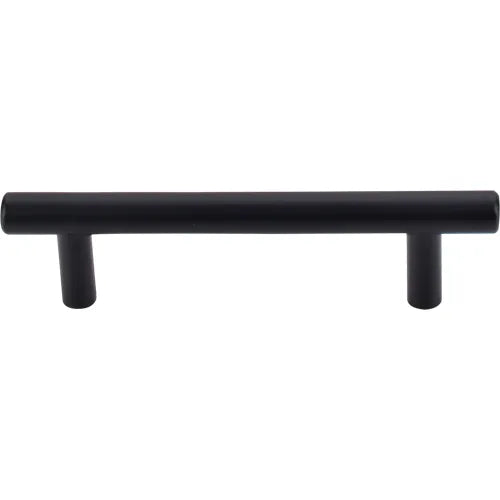
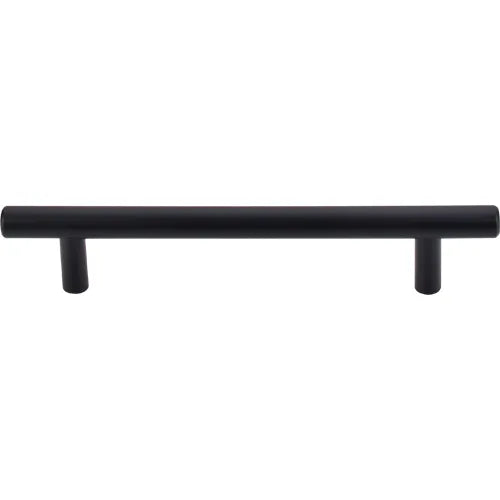
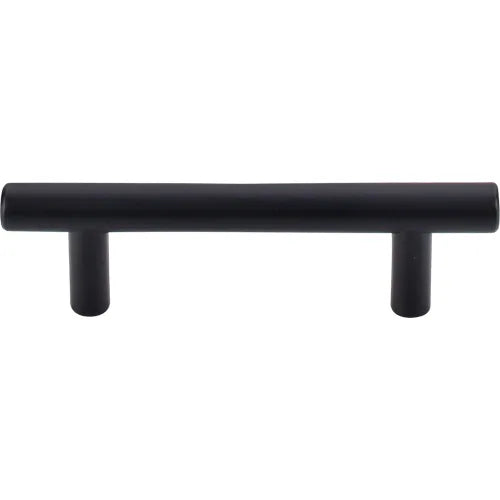
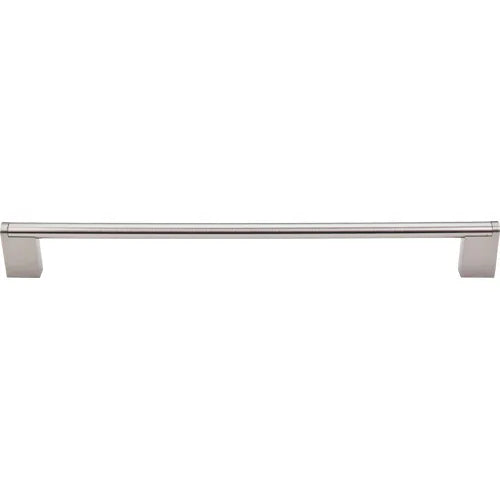
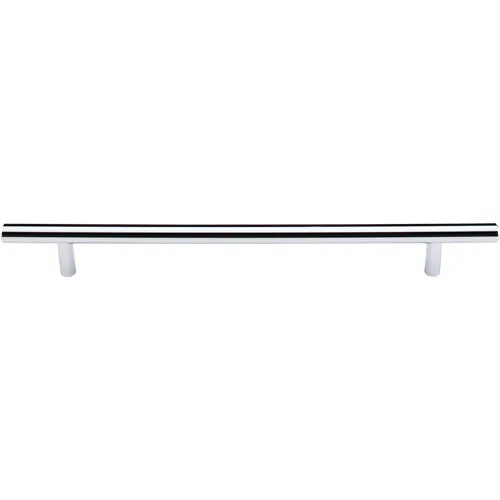
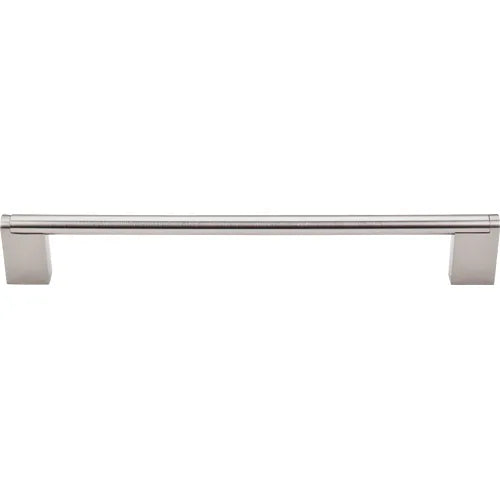
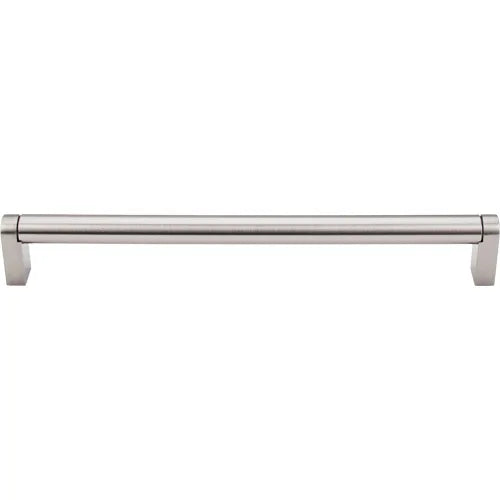
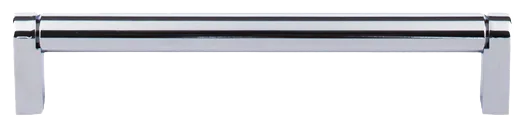
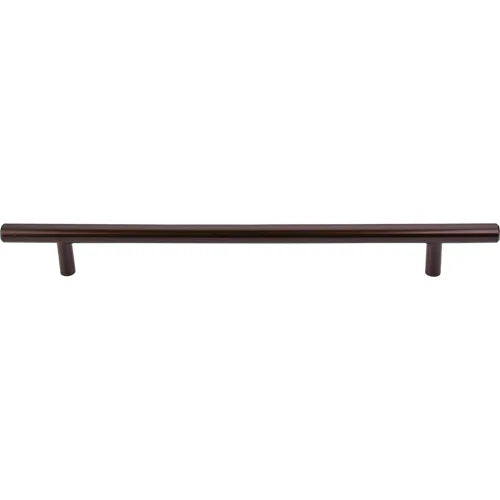
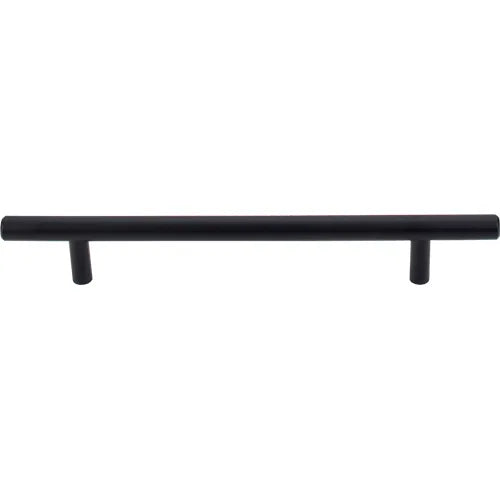
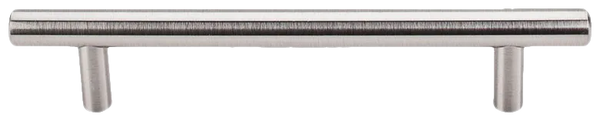
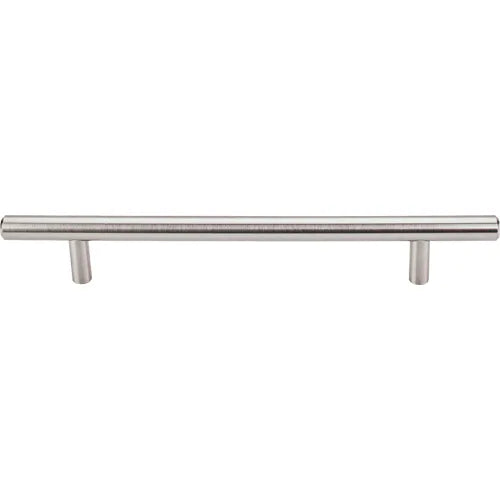
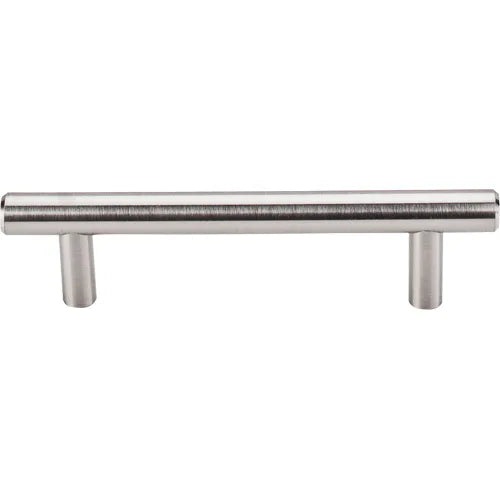

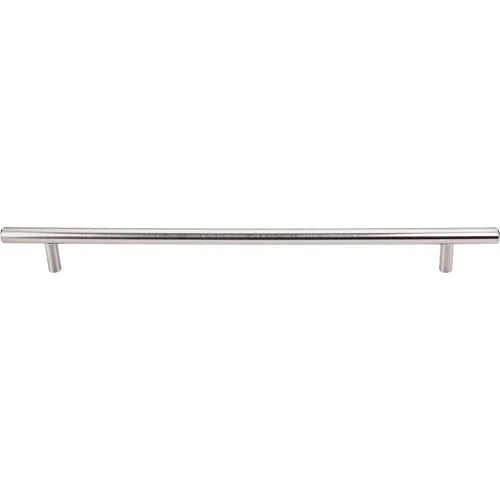
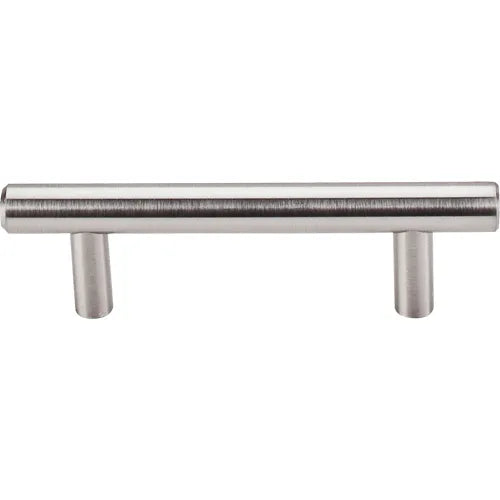
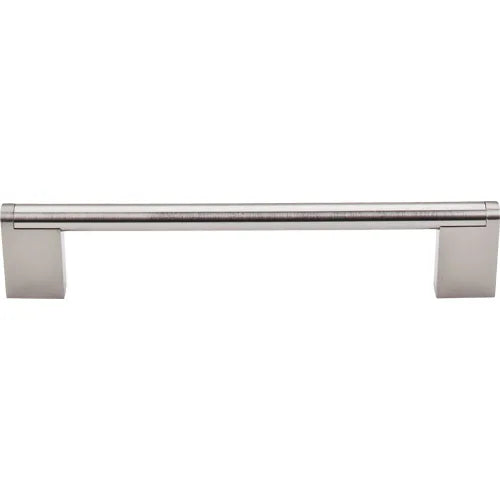
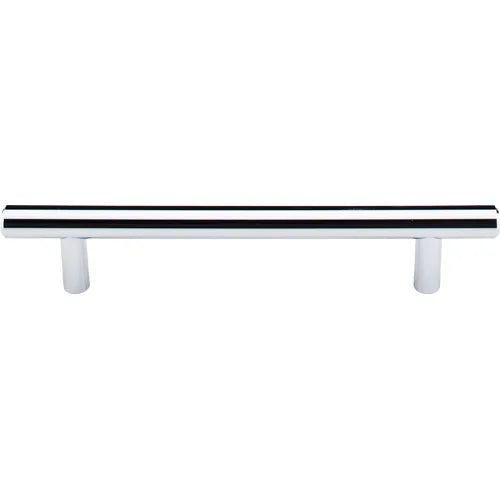
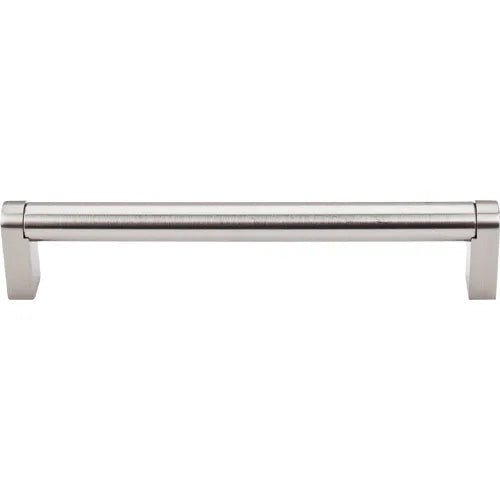

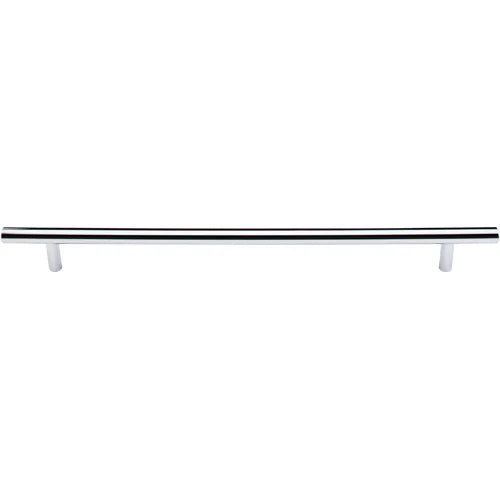
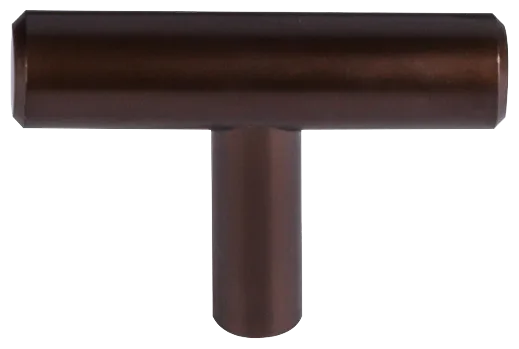
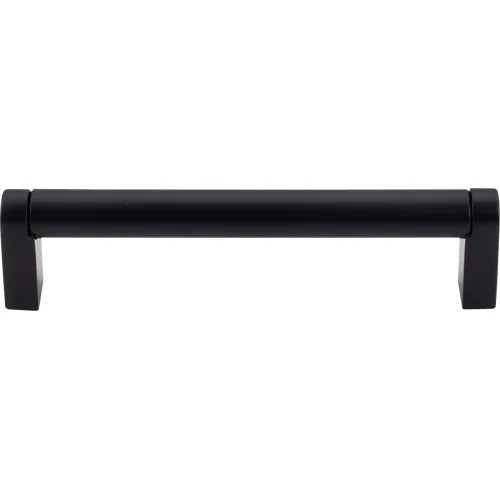
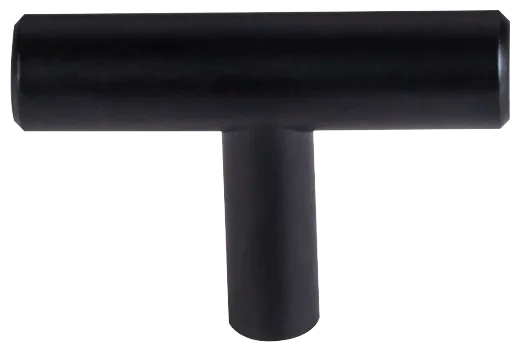
The bar pull is one of the only contemporary hardware silhouettes that's lasted. Two decades after it became the default in modern kitchens, it's still the pull a designer reaches for when the brief is "make it disappear." The Top Knobs Bar Pulls collection is the refined version of that idea.
Why the bar pull works
A bar pull is a horizontal line. That's it. No detail, no taper, no flourish — just a substantial cylindrical bar across the drawer face. The minimalism is the point: the cabinet wall reads as composition, the hardware reads as architectural rhythm, and nothing competes with the rest of the kitchen.
The Top Knobs Bar Pulls collection refines that idea with proportional weight that feels custom rather than commodity. The shafts are heavier than the average bar pull on the market, and the end caps are detailed with the kind of subtle radius that catches light along the cabinet wall in a way thin bar pulls don't.
The kitchens bar pulls suit
Modern and modern-leaning transitional. Slab-front cabinetry in warm wood, white lacquer, or muted painted finishes. Open-plan kitchens with linear lighting and minimal decorative trim. Lofts, urban townhouses, and contemporary new-builds.
If your kitchen leans traditional or transitional with detailed millwork, bar pulls will fight the room. Pemberton, Asbury, or CHAREAU are the right calls there.
Sizing and finish for bar pulls
Bar pulls scale dramatically. The same silhouette in 5-inch and 18-inch sizes are different design objects — the small pull reads as detail, the large pull as architecture. Most kitchens want a mix: standard cabinet pulls in the 5- to 8-inch range plus appliance-scale 18- or 24-inch on paneled refrigerators and pantries.
Finish drives the kitchen's tone. Matte Black bar pulls read graphic and contemporary; Brushed Nickel reads cleaner and more universal; Honey Bronze warms the contemporary silhouette in unexpected ways. Order samples in two finishes before committing.