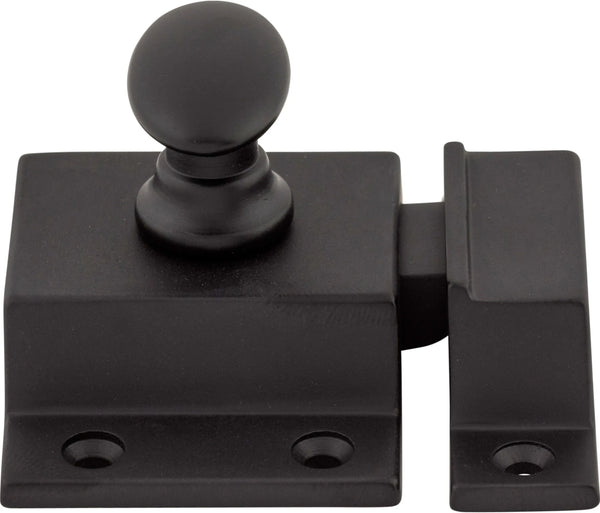
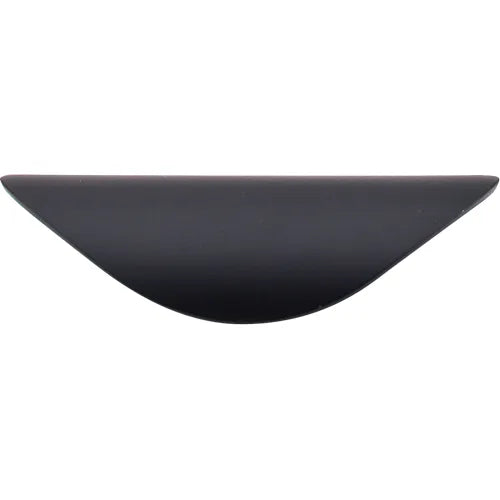

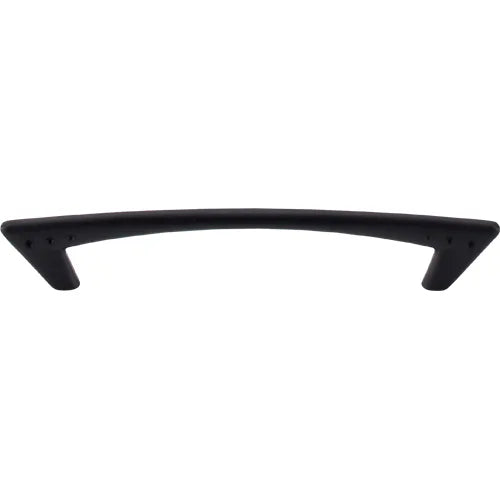
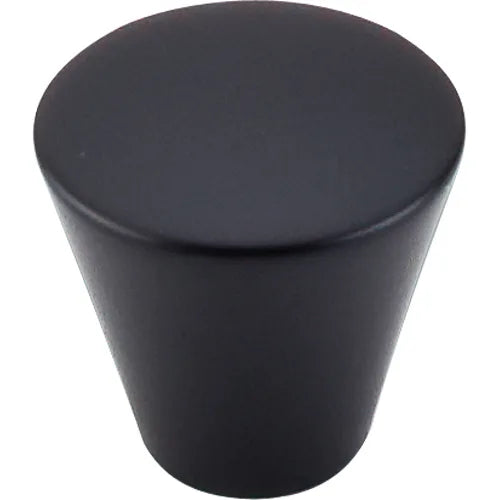




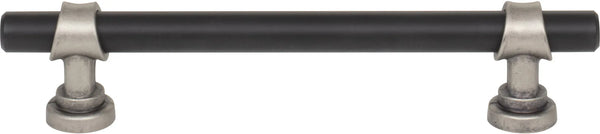
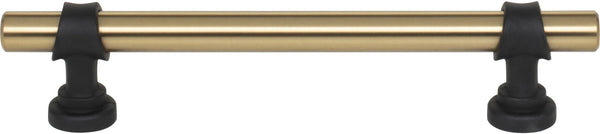
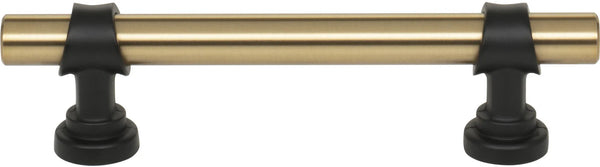
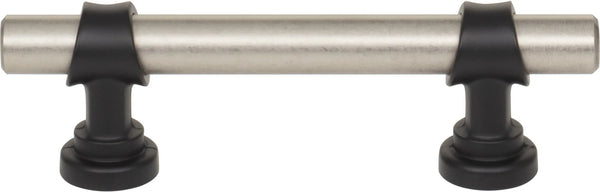
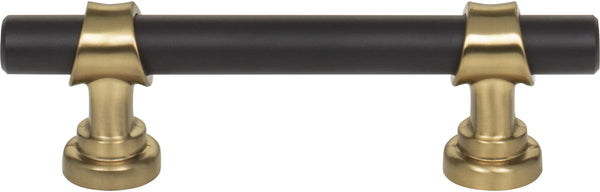
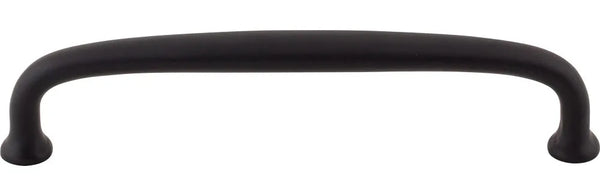
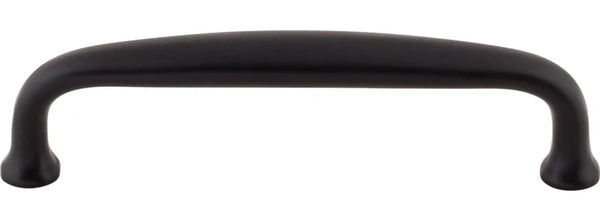

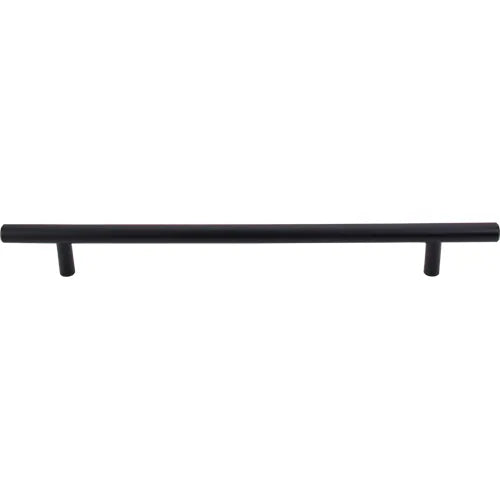
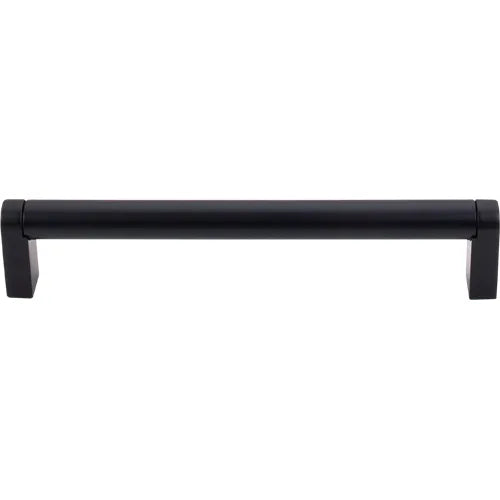
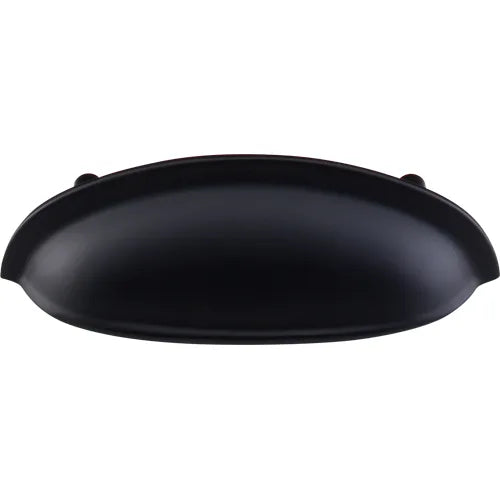

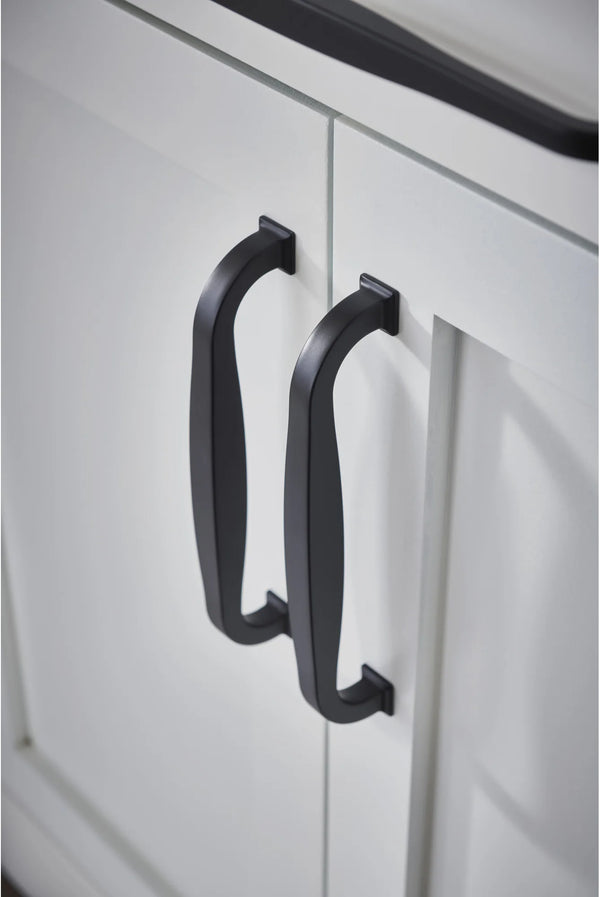
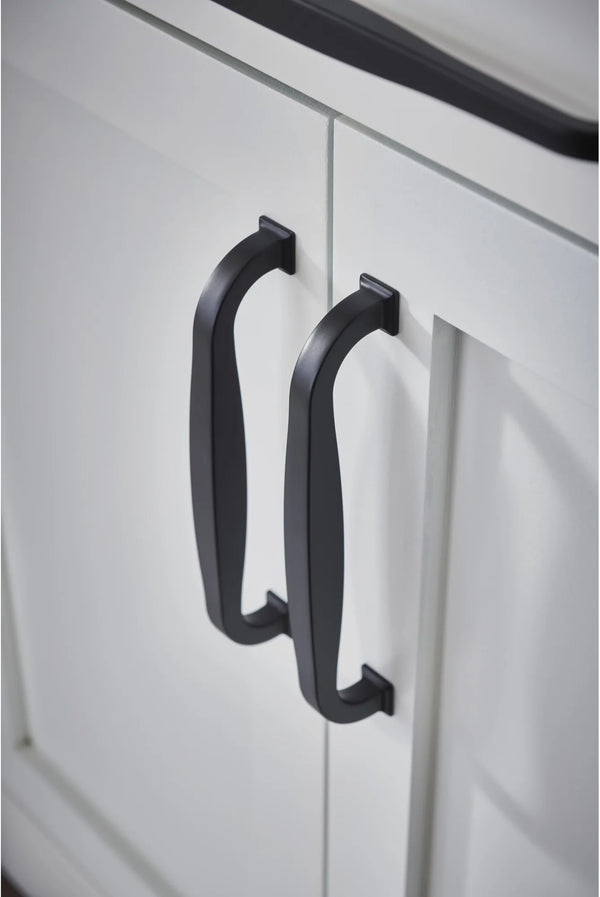
If matte black is the sharp answer, Flat Black is the soft one. Same color family, less reflectivity, less visual edge. For contemporary kitchens that want black hardware without the graphic weight.
Flat Black versus Matte Black
The difference is in the surface. Matte black has a fine texture that catches light and casts micro-shadows along the edges of a pull or knob — graphic, architectural, often described as "industrial" by accident. Flat Black has a smoother satin matte that absorbs light evenly. The result reads softer; the hardware feels less like a graphic mark and more like a quiet line on the cabinet front.
For some kitchens that softness is everything. For others, you'll want the harder edge of Matte Black instead. Both are right; they're solving different problems.
The kitchens Flat Black belongs in
Painted cabinetry in muted greens, soft blues, warm whites. Stone counters with movement — Calacatta, soapstone, leathered Taj Mahal. Spaces that want contemporary discipline without the gallery-white starkness. Reading nooks, primary baths, dressing rooms.
Flat Black also pairs better with warm wood than people expect. Black hardware on natural white oak is one of the cleanest combinations in modern kitchens, and Flat Black handles it with more warmth than Matte Black does.
How Flat Black holds up
The smooth surface shows fingerprints more than textured matte finishes — a microfiber cloth handles them without effort. The benefit of that smoother surface is fewer abrasion marks over time; matte black can scratch through to base metal at high-touch points, while Flat Black tends to scuff before scratching.
If you're between Flat Black and Matte Black, our sample program ships both in any style. The difference under real kitchen lighting is meaningful, and choosing between them online is harder than choosing in person.