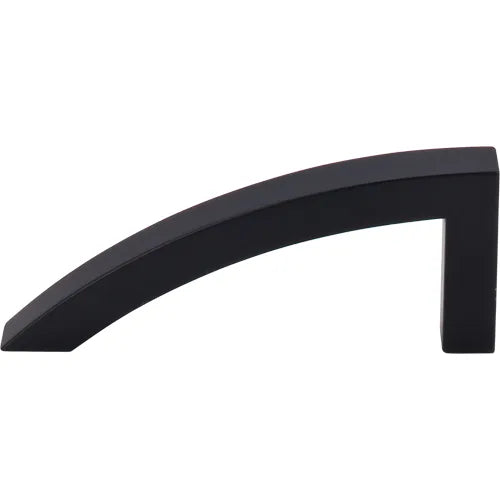
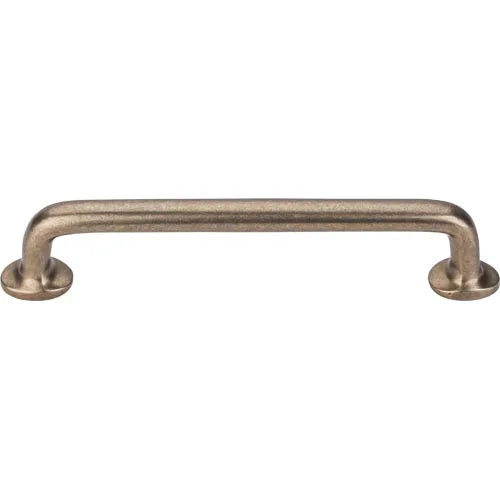
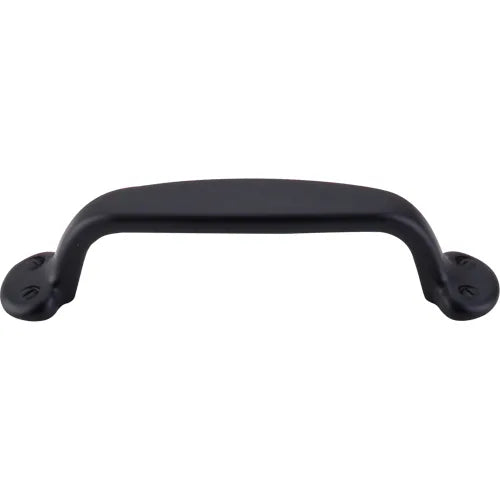
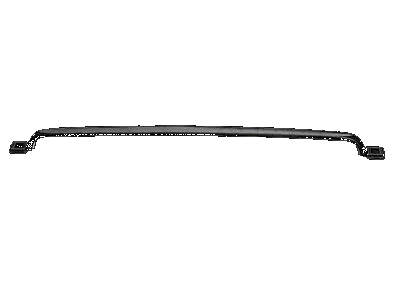
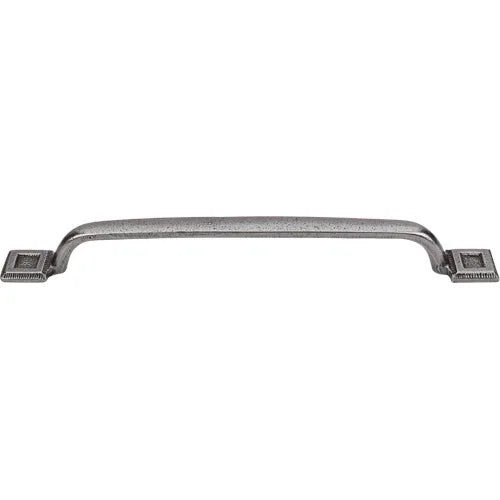
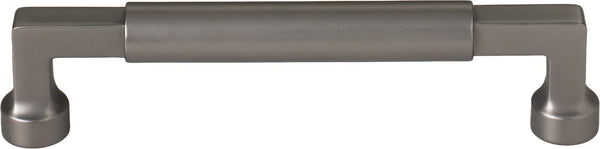
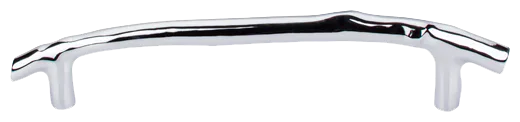
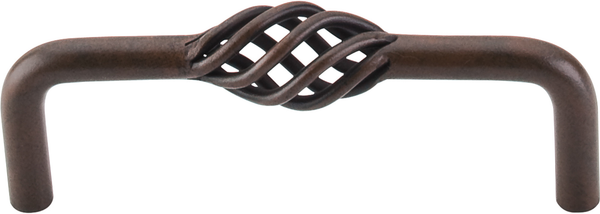
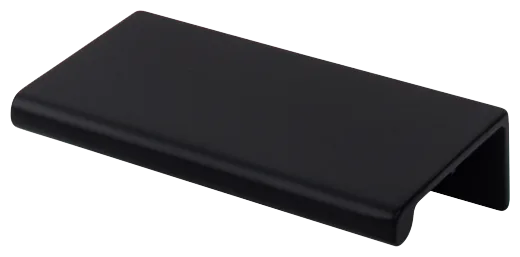
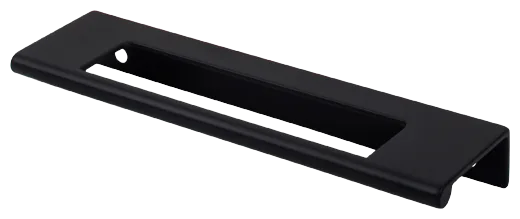
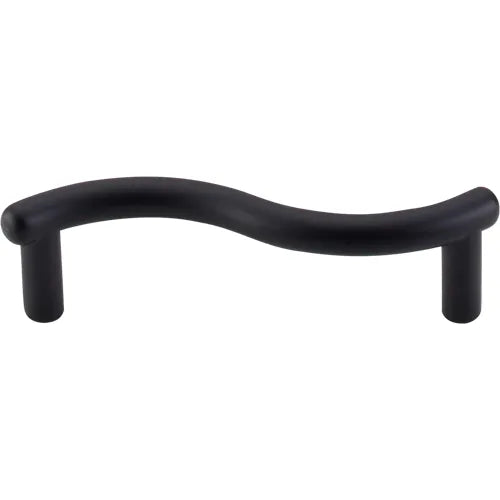
If a cabinet knob is punctuation, a cabinet pull is rhythm. The horizontal line that turns a row of drawers into a composition. Get the proportion right and the kitchen calms down before you've turned the lights on.
What cabinet pulls do for a kitchen
A pull is a deliberate horizontal — long enough to span a drawer face, weighted enough to register in the hand. The standard rule designers use is knobs on doors and pulls on drawers, and most of the kitchens we ship hardware to follow it. The reason isn't dogma. A drawer with a pull reads as a drawer; a drawer with a knob reads as a small door pretending. The eye notices.
How to size a cabinet pull
The rule of thumb that designers use: a pull should run roughly one-third the width of its drawer. A 24-inch drawer wants a pull around 7 to 8 inches center-to-center; a 36-inch drawer wants 12 inches; a 48-inch pantry drawer wants either an 18-inch appliance pull or a pair of 8-inch pulls evenly spaced. Two pulls reads more residential. One long pull reads more designer.
For a full deep-dive, our measuring guide covers center-to-center, backplates, and door placement.
Choosing a pull style
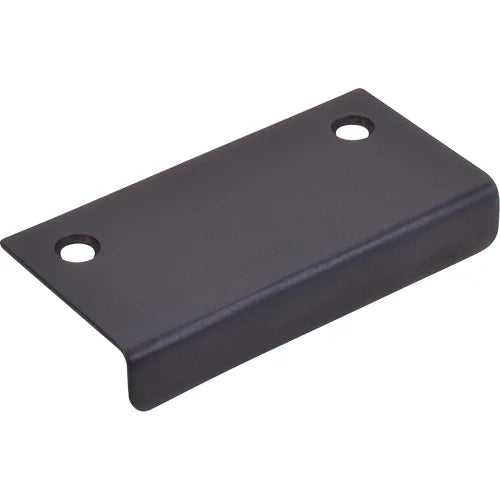
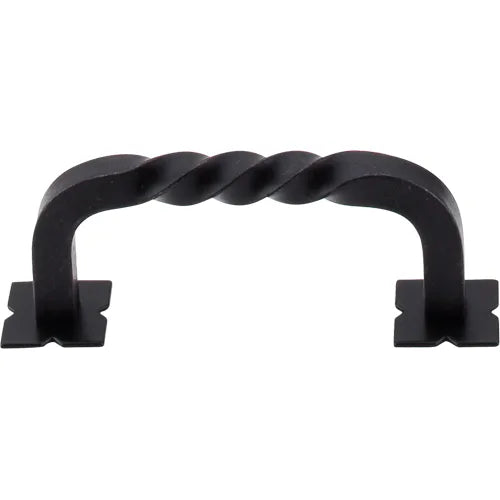
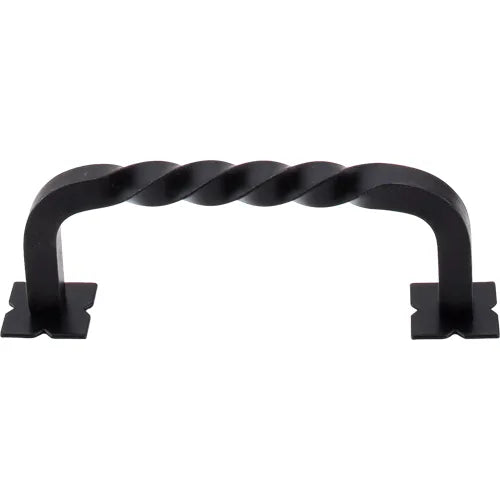
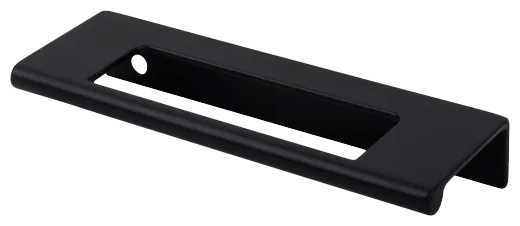
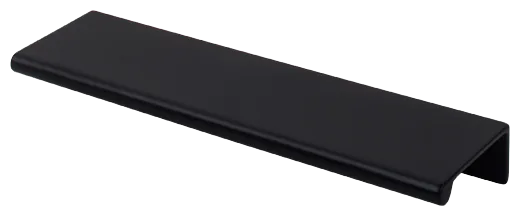
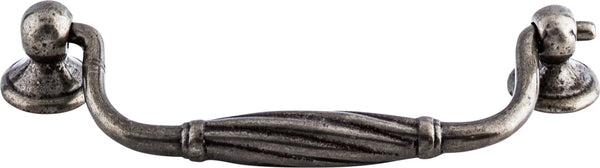
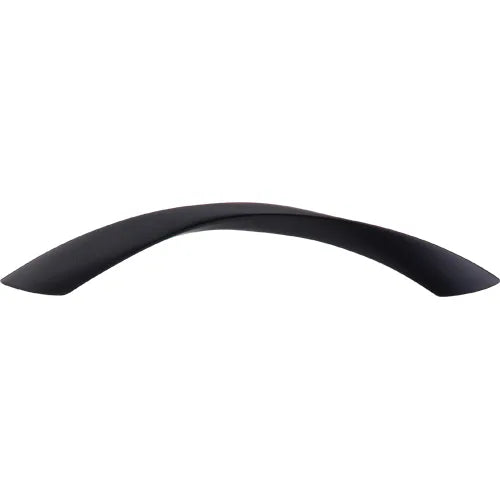
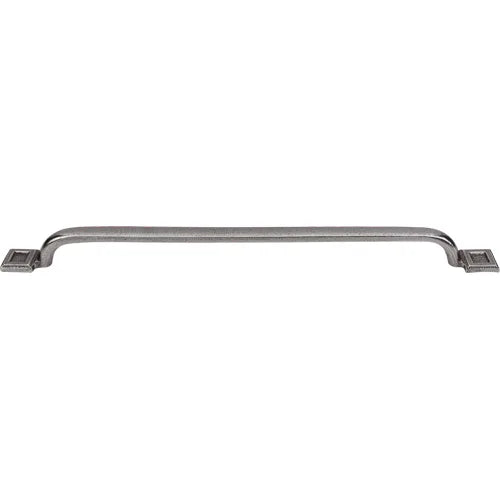
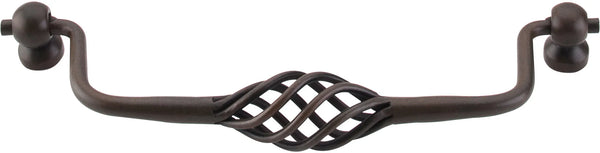
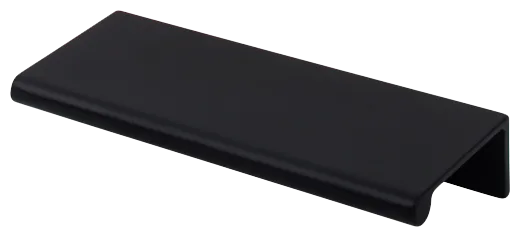
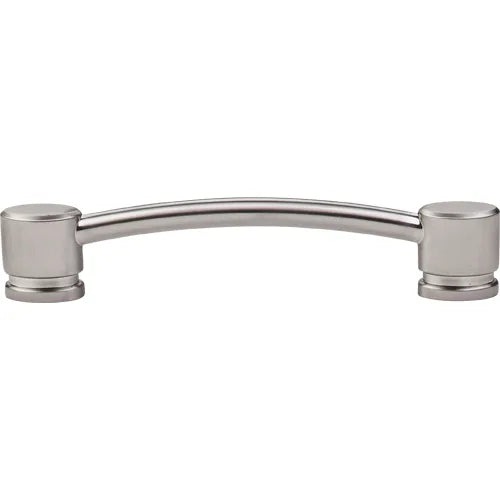
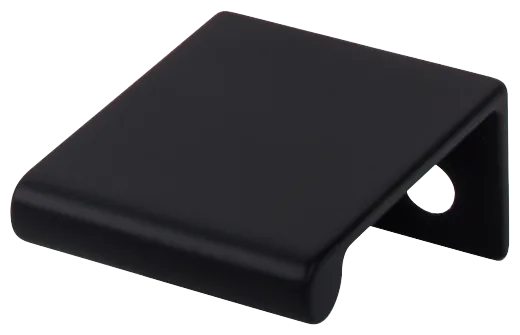
Bar pulls read modern and architectural. Cup pulls read traditional and detail-rich. Tab and finger pulls read minimal. Bow pulls and arch pulls read transitional — anchored without being period-specific. Pick a style that matches the kitchen you're actually building, not a style you saw in someone else's house.
If you're outfitting a whole kitchen, choose a Top Knobs collection first — Pemberton, CHAREAU, Sanctuary, Aspen — then narrow within. The collections are designed to coordinate across pulls, knobs, and bath hardware so the kitchen reads cohesive.
Cabinet pulls and finish
The pull's silhouette is one decision. The finish is a separate one — and arguably the bigger of the two. A bar pull in Matte Black versus the same pull in Honey Bronze are functionally different products in different kitchens.
Order our samples in two or three finishes of one pull style. The choice gets clearer the moment you hold them up to your stone, your faucet, and your cabinet front.