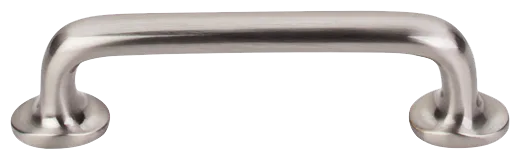
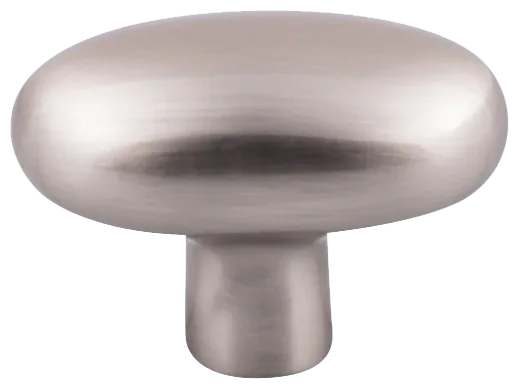
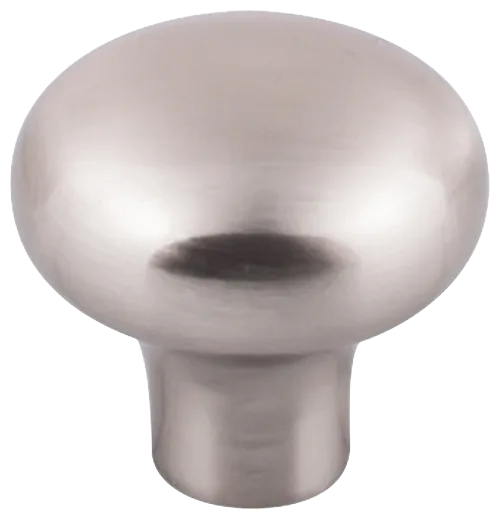
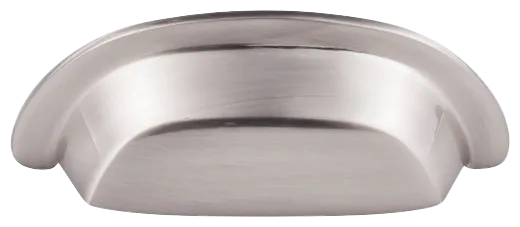
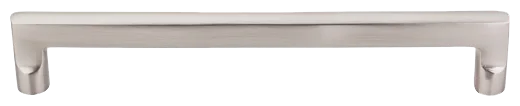
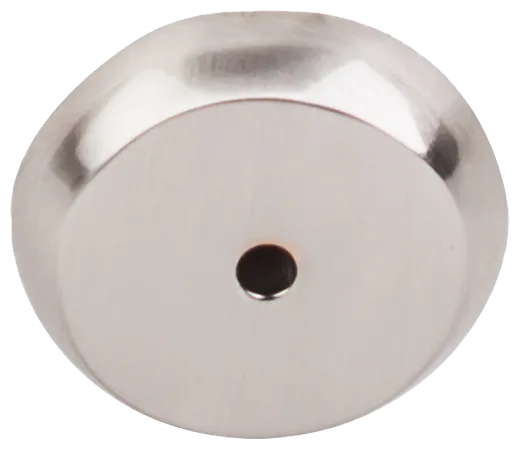
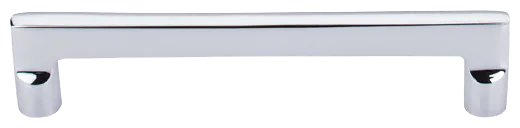
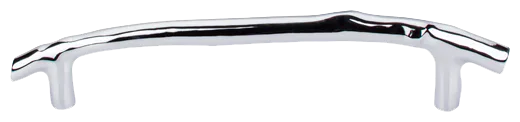
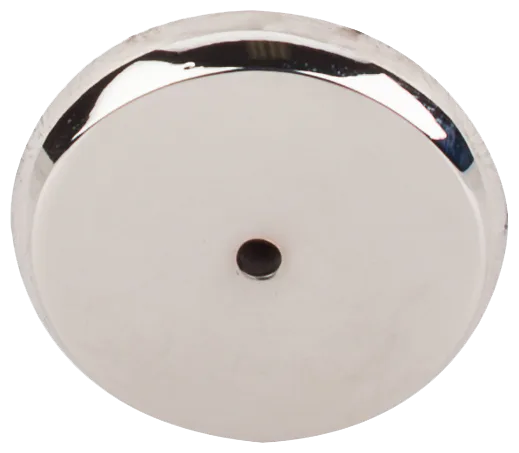
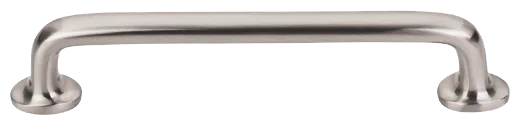
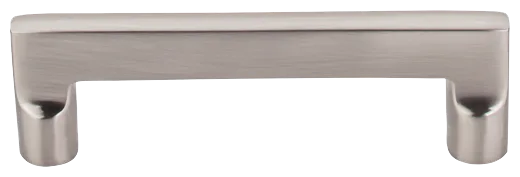
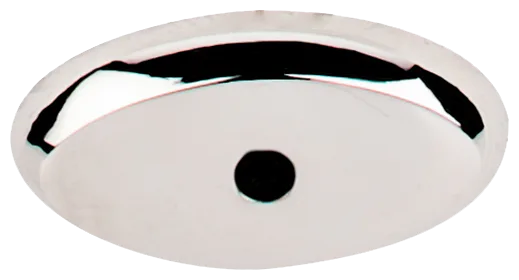
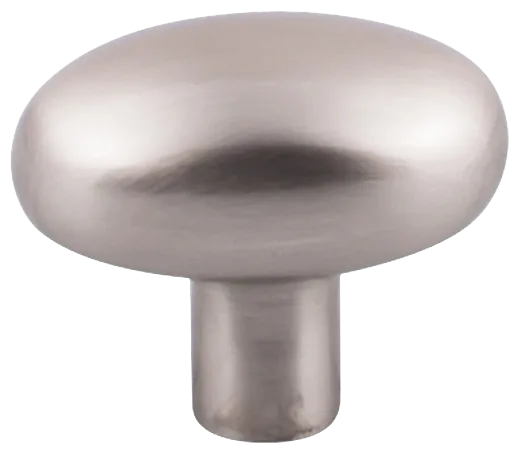
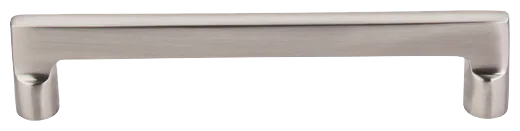
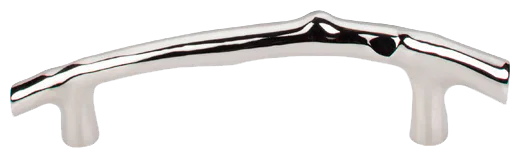
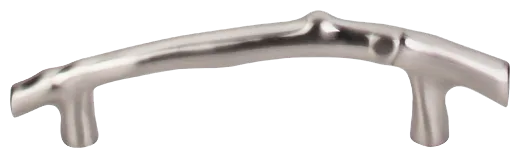
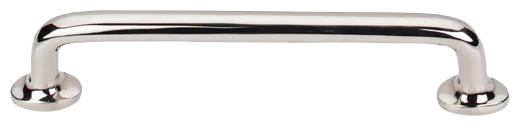
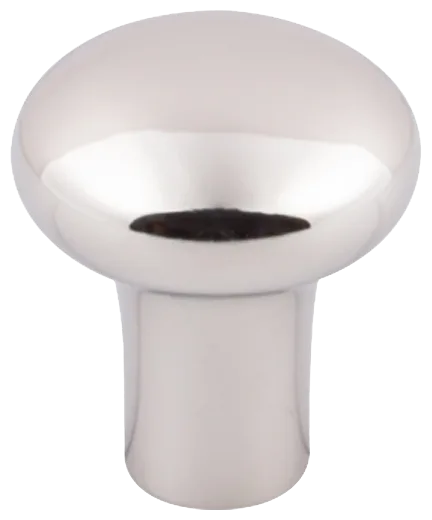
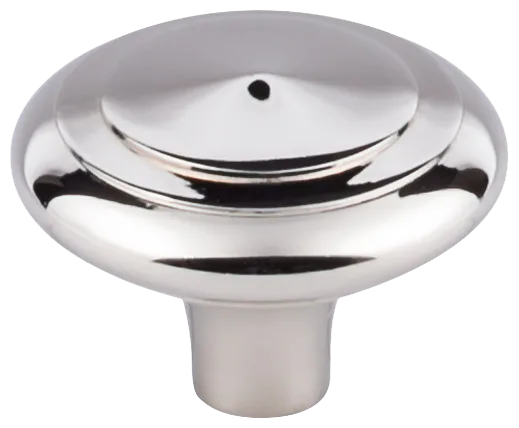
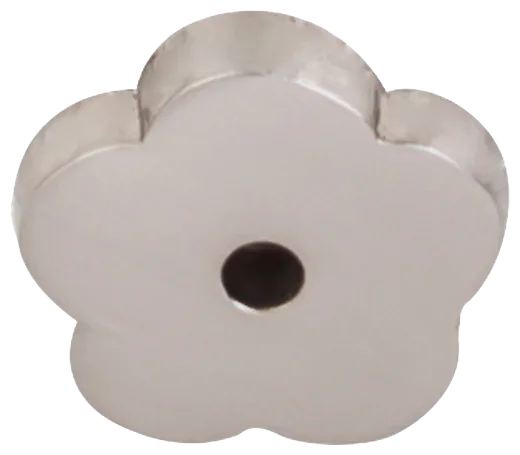
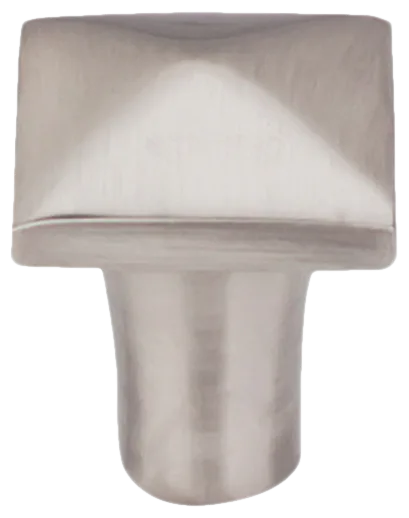
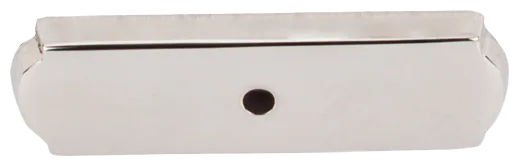
Aspen II is the conversation Aspen has with itself a decade later. The same architectural sensibility — clean lines, controlled taper — refined and slightly softened. Designed for the kitchen that wants Aspen's discipline with a touch more warmth.
What's different about Aspen II
The differences are deliberate and small. Pull silhouettes have slightly more curvature in the transition between shaft and end cap. Knobs are marginally rounder — less sharp at the edge, more comfortable in the hand. Aspen II reads slightly more residential where Aspen reads slightly more architectural; both work, in different kitchens.
If you're choosing between the two, the question is how you want the hardware to read across the room. Aspen reads as drawn lines; Aspen II reads as drawn lines that have lived in. Both stay current.
Where Aspen II belongs
Refined transitional kitchens that lean residential rather than architectural. Painted shaker in warm whites and soft greys. Honed marble or warm quartz. Wide plank wood floors. Houses that want to feel built-to-live-in rather than built-to-be-photographed.
This is the collection many designers reach for in primary residences after specifying Aspen on a recent commercial project. The discipline carries; the residential warmth lands.
Aspen II across the catalog
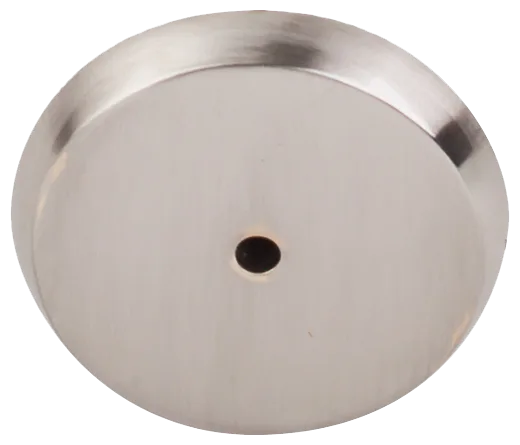
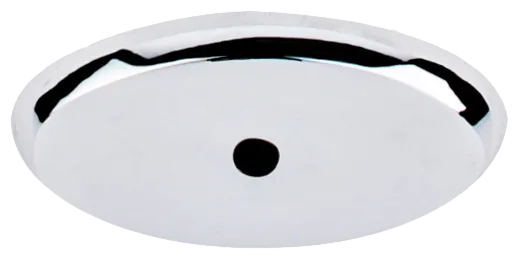
Aspen II coordinates cleanly with the broader Top Knobs ecosystem. Pair Aspen II cabinet hardware with Pemberton bath fittings, or with Coddington trim hardware, and the kitchen and bath read as one project. Within Aspen II, the line carries pulls, knobs, and appliance-scale pieces in the standard Top Knobs finish range.
Order samples from Aspen and Aspen II side by side before committing. The differences between the two read more clearly in hand than in product photography.