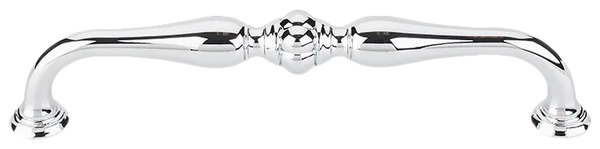
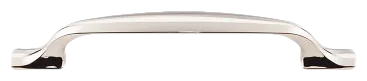
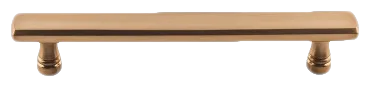
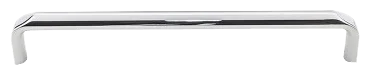
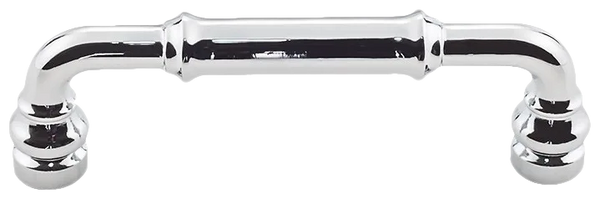
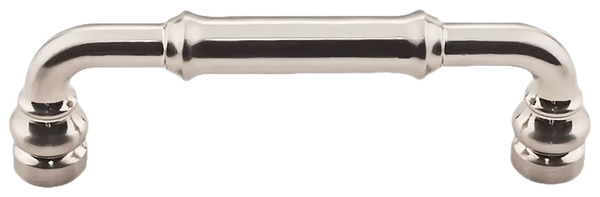


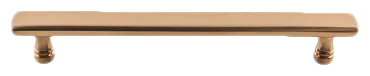
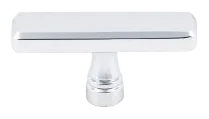
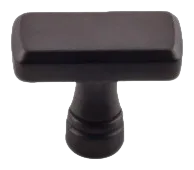


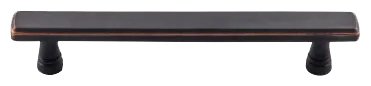
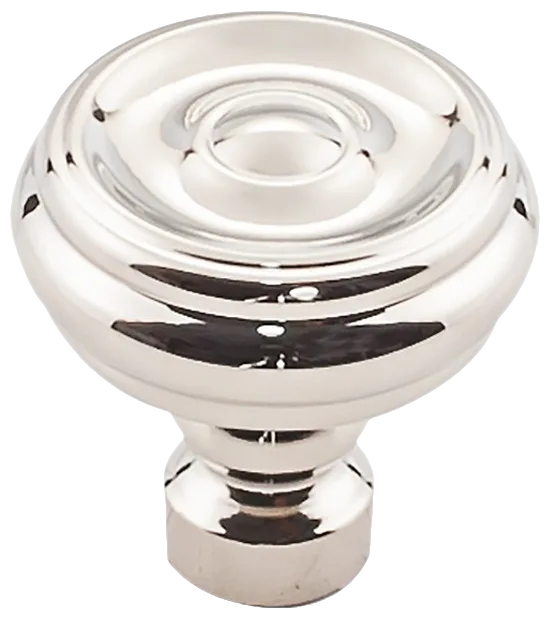

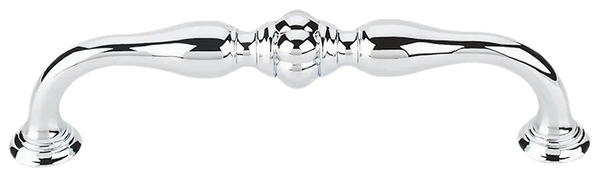

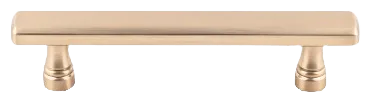
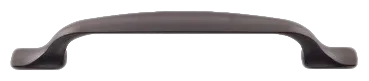
Devon takes its design cues from the kitchen hardware of English country houses — specifically the kind that's been on a paneled cabinet for sixty years and looks like it might last another sixty. Substantial, traditional, never showy.
What Devon does in a kitchen
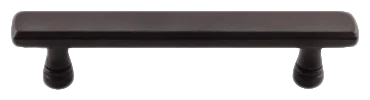
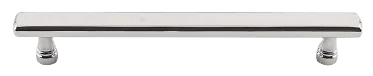
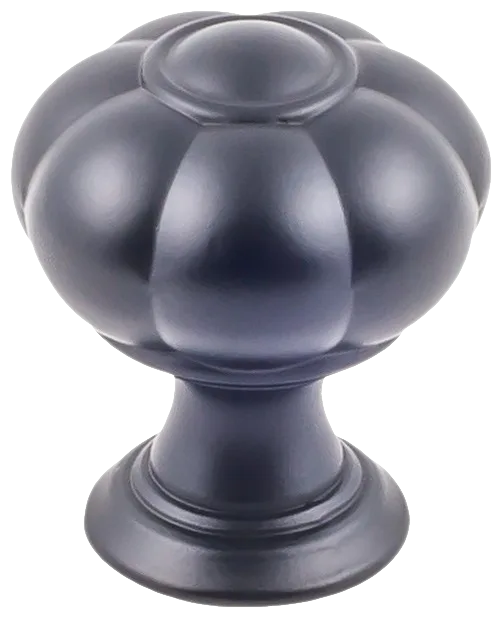
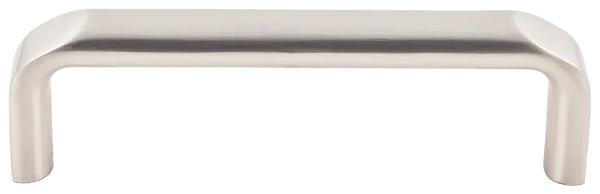
The pulls have a slight taper toward the center with weighted, slightly bell-shaped end caps. The knobs are bold and round, the kind of profile your grandmother's kitchen had if she lived in Stowe-on-the-Wold. Detail lives in the finish — hand-applied bronze finishes especially highlight the curvature of each piece.
Devon's appeal is its weight without ornament. The pieces feel substantial in the hand. The silhouettes are unmistakably traditional but stop short of the period-specific ornament of Britannia or the formal-classical bearing of Edwardian. Devon is the everyday-traditional choice.
The kitchens Devon belongs in
Traditional and refined-transitional kitchens. Painted shaker cabinetry with substantial trim, especially in soft whites and warm creams. Soapstone, honed marble, and limestone counters. Wide-plank wood floors. Country houses, refined farmhouse renovations, and city homes with original Federal or Georgian architectural detail.
Devon pairs cleanly with deep catalog collections like Coddington and Brockwell. Many homeowners spec Devon in the kitchen and Coddington in the bath; both reside in the same refined-traditional aesthetic with subtle differences across the rooms.
Finishes that suit Devon
Traditional shapes call for warm, hand-applied finishes. Oil Rubbed Bronze is the heritage default. Honey Bronze is the lighter warm choice for transitional spaces. German Bronze brings refined depth. Polished Nickel takes Devon in a more refined-classical direction.
Order samples in your top two warm finishes. Devon's curvature shows finish character especially well; in-hand evaluation matters more than for flatter silhouettes.